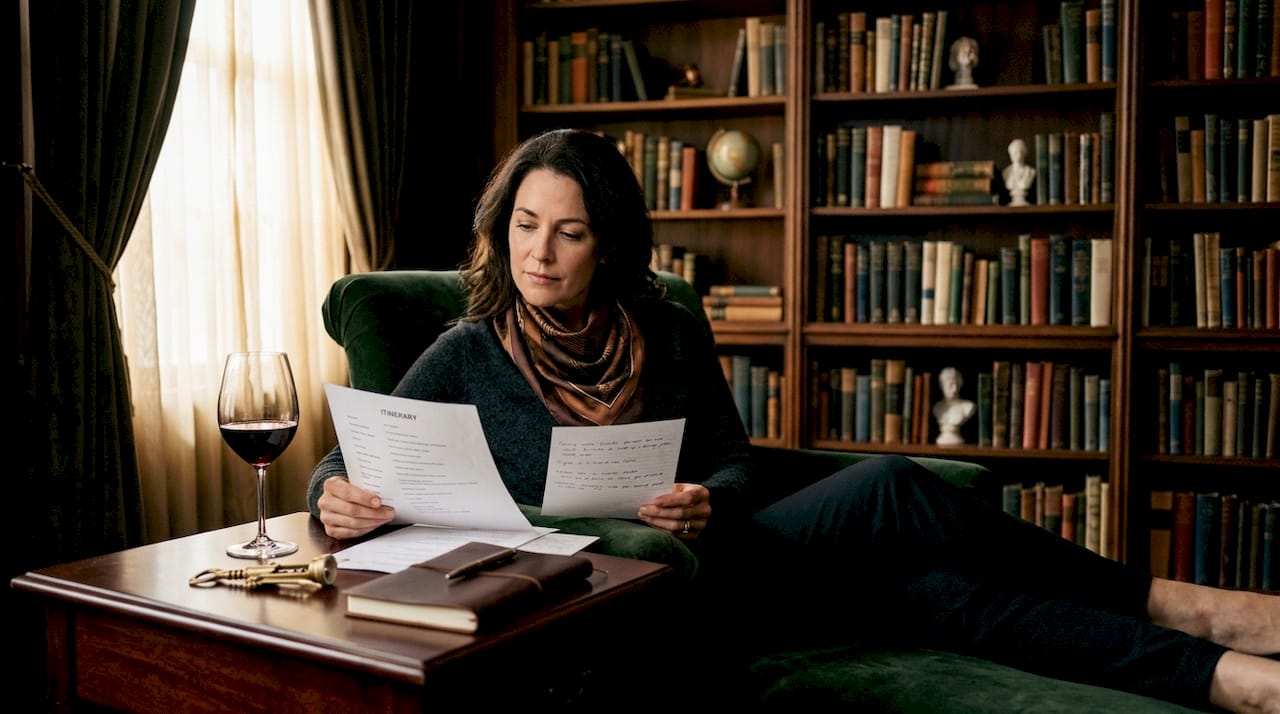
A curated luxury wine tour is defined as a bespoke, private journey through premier wine regions that pairs exclusive vineyard access with personalized tastings, gourmet dining, and high-end wellness experiences. This is the industry’s recognized standard for what separates a generic wine trip from a truly elite excursion. Curating a luxury wine tour means every stop, every glass, and every overnight stay reflects your palate and travel style. Hiddendoortravel specializes in exactly this kind of precision planning, combining deep regional knowledge with access that most travelers never get on their own. The result is a trip that educates, restores, and leaves a lasting impression.
What are the essential components of a luxury wine tour experience?
The foundation of any elite wine tour is vineyard selection. Not every celebrated estate opens its cellar doors to the public, and the best curated wine tour packages elite travelers seek are built around private access to estates that rarely appear on standard itineraries. Think barrel-room tastings led by the winemaker, not a crowded tasting bar. That level of access changes everything about how you understand a wine.
Private or small-group tastings are non-negotiable. A group of two to six people allows the sommelier or estate owner to tailor the experience to your preferences, adjusting the flight based on what you respond to. Gourmet food pairings elevate this further. Food and wine pairing events remain a cornerstone of exclusive wine tour experiences, and the best estates design menus around their vintages rather than the other way around.
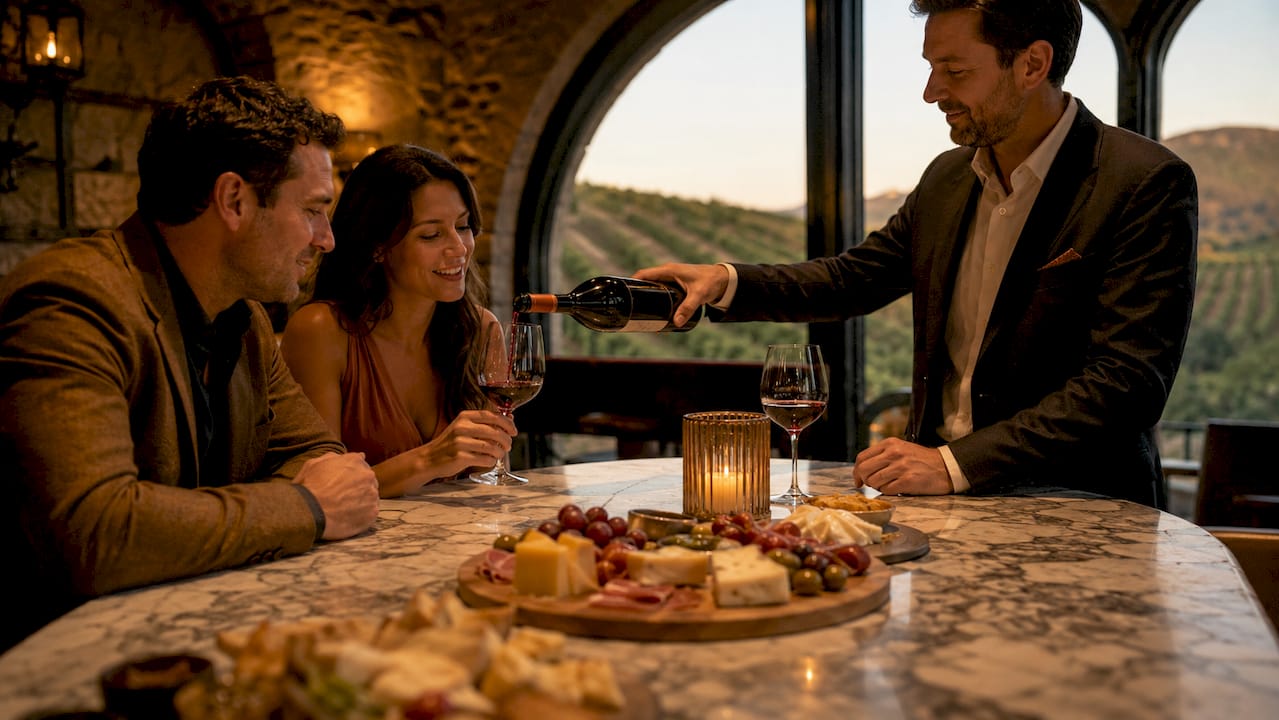
Wellness integration is the defining trend of modern luxury wine travel. Estate-based spas and massages are now standard at top properties, turning a wine trip into a restorative retreat. Château d’Arche in Sauternes, for example, offers a stay that includes a signature massage, estate visit, wine tasting, and gourmet brunch. That combination of sensory and physical restoration is what separates a high-end wine excursion from a simple tasting tour.
The final pillar is logistics. Luxury accommodation on or near the estate, private transport between stops, and a dedicated concierge all contribute to a trip that flows without friction.
- Exclusive vineyard access: Private cellar visits and winemaker-led tastings unavailable to general visitors
- Small-group or private tastings: Personalized flights adjusted to your palate in real time
- Gourmet food pairings: Estate-designed menus that complement specific vintages
- Wellness amenities: On-site spa treatments, yoga, or forest bathing between tasting sessions
- Luxury accommodation: Estate villas, historic châteaux, or boutique properties within the wine region
- Private transport: Chauffeured vehicles that remove scheduling stress between stops
Pro Tip: Book your wellness treatments for the afternoon after a morning tasting session. Your palate is freshest in the morning, and a massage or spa treatment afterward gives your senses time to reset before an evening dinner pairing.
What prerequisites and planning tools do you need?
Planning a personalized wine tour at the luxury level requires more groundwork than most travelers expect. The first step is setting a realistic budget that accounts for private tastings, estate accommodation, transport, and wellness add-ons. Luxury wine excursions in regions like Bordeaux, Tuscany, Napa Valley, and the Alentejo in Portugal vary widely in cost depending on season and exclusivity level.
Researching wine regions before you book is not optional. Understanding the difference between a Left Bank Bordeaux and a Right Bank, or between a Barossa Valley Shiraz and a Clare Valley Riesling, helps you communicate your preferences to a travel specialist. That specificity is what makes personalized wine tours genuinely personal rather than just expensive.
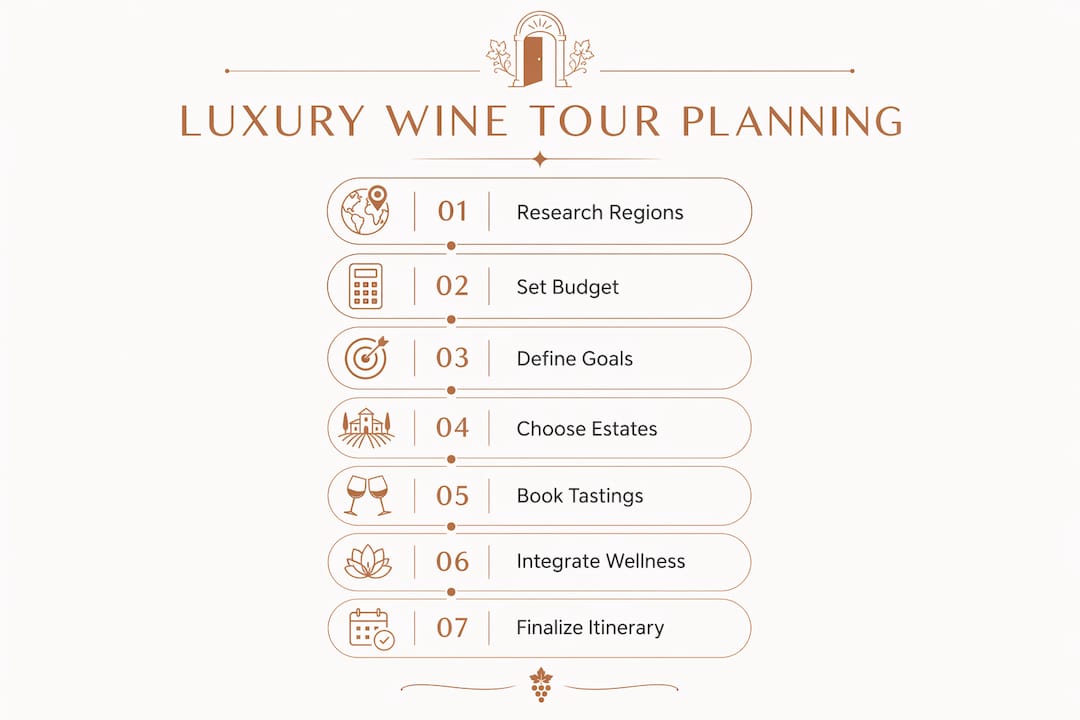
Identifying your goals matters as much as your budget. Are you building your wine knowledge, celebrating a milestone, or simply seeking a restorative escape in a beautiful landscape? Your answer shapes every decision from destination to itinerary length. Travelers who prioritize tailored itineraries over generic packages consistently report discovering hidden gems and vintages that match their palate far better than any standard tour.
A luxury travel agency or expert concierge is the most effective planning tool available. ONX Vineyard Stays in Paso Robles demonstrates the model well: their personal concierge service handles custom itinerary planning, reservations, and tasting coordination so travelers focus entirely on the experience.
| Planning element | What to define | Why it matters |
|---|---|---|
| Budget | Total spend including accommodation, tastings, transport, and wellness | Prevents overspending and sets realistic expectations for exclusivity |
| Wine region | Destination based on grape variety, climate, and personal preference | Aligns the itinerary with your actual palate and interests |
| Travel goals | Education, celebration, relaxation, or a combination | Shapes the balance between tasting intensity and downtime |
| Group size | Solo, couple, or small group | Determines access level and pricing for private experiences |
| Travel dates | Season, harvest timing, and regional events | Affects availability, pricing, and the type of experiences on offer |
How do you build a personalized luxury wine tour itinerary?
A well-built itinerary for an exclusive wine tasting event or multi-day tour follows a clear sequence. Rushing through too many estates in a single day is the most common mistake, and it destroys the quality of every experience after the first two stops. The best itineraries treat each vineyard visit as a destination in itself.
- Select two to three vineyards per day maximum. Morning tastings work best when your palate is fresh. Schedule the most complex or prestigious estate first, then a contrasting style in the late morning.
- Book a gourmet lunch between tastings. A meal anchored in local ingredients and regional wines gives your senses a natural break. Combining lodging and dining within the wine region creates a coherent sensory experience rather than a series of disconnected stops.
- Schedule a wellness break in the mid-afternoon. Herdade do Sobroso in the Alentejo offers a riverside wellness center with massages alongside nature safaris and horseback rides. That kind of afternoon reset makes the evening tasting feel like a fresh experience.
- Plan one signature evening experience per day. A winemaker dinner, a vertical tasting of a single estate’s vintages across multiple years, or a cellar dinner under candlelight. One exceptional evening event is worth more than three average ones.
- Build in one full rest day for every four days of touring. This is the detail most travelers skip and later regret. A rest day spent exploring a local market, taking a cooking class, or simply sitting on a vineyard terrace consolidates everything you have tasted and learned.
- Confirm transport between every stop in advance. Private chauffeured vehicles are the standard for luxury wine excursions. They remove the practical burden of navigation and allow you to enjoy a full tasting without any concern about driving.
Pro Tip: Ask your travel specialist to arrange a “library tasting” at one estate on your itinerary. These sessions feature older vintages pulled from the estate’s private cellar and are rarely available to the general public. They are the single most memorable experience on any elite wine tour.
What common challenges arise when curating luxury wine tours?
Overcrowding the itinerary is the most frequent mistake, and it affects travelers at every budget level. Booking five or six vineyard visits in a single day turns a luxury experience into an endurance test. Quality collapses after the third tasting, and the wellness and gourmet elements that justify the investment get cut to make room for more stops.
Mismatched expectations create the second most common problem. A traveler who wants deep wine education needs a different itinerary than one who wants a relaxing countryside retreat with wine as the backdrop. Failing to communicate this distinction to a travel specialist results in a trip that satisfies neither goal fully.
Seasonal and regional accessibility issues catch many travelers off guard. Harvest season in september and october in Bordeaux or Tuscany is spectacular but also the most crowded and expensive period. Shoulder seasons like may or november often provide better access, lower prices, and more attentive service from estate staff.
Authentic luxury wine travel is not about visiting the most famous names on a label. It is about gaining access to the people, places, and vintages that most travelers never reach. The estates that offer the most memorable experiences are often the ones that require a personal introduction or a specialist contact to open their doors.
- Avoid: Booking more than two to three vineyard visits per day
- Avoid: Skipping wellness or rest days to fit in more tastings
- Avoid: Traveling during peak harvest without booking six or more months in advance
- Avoid: Choosing a destination based on name recognition alone rather than personal palate preference
- Avoid: Overlooking transport logistics, which can unravel even the best-planned itinerary
Authentic experiences require local knowledge. The estates that appear in every travel magazine are not always the ones that deliver the most memorable tastings. A specialist with genuine regional contacts will consistently route you toward luxury remote destinations and hidden producers that no standard tour operator reaches.
Key Takeaways
Curating a luxury wine tour requires selecting exclusive vineyard access, integrating wellness and gourmet dining, and building an itinerary that balances depth with genuine rest.
| Point | Details |
|---|---|
| Limit daily vineyard visits | Cap at two to three estates per day to preserve palate quality and enjoyment. |
| Integrate wellness deliberately | Schedule spa treatments or nature experiences between tastings for a restorative balance. |
| Define your travel goals first | Clarify whether the priority is education, celebration, or relaxation before planning any stop. |
| Use a specialist for access | A luxury travel agency opens doors to private tastings and estates unavailable to general visitors. |
| Build in rest days | One full rest day per four touring days consolidates the experience and prevents sensory fatigue. |
What I have learned about wine tours that most guides miss
The most common advice about luxury wine tours focuses on which regions to visit or which estates carry the most prestige. That framing misses the point entirely. The travelers who come back most satisfied are not the ones who visited the most famous labels. They are the ones who spent three unhurried days in a single valley, got to know one winemaker personally, and left with a case of wine they could not have found anywhere else.
Wellness integration is not a trend I treat as optional. After years of planning high-end wine excursions, I have seen the difference between an itinerary that includes a proper spa afternoon and one that does not. The guests who have that mid-tour reset arrive at the final dinner tasting with genuine enthusiasm. The ones who powered through back-to-back visits are exhausted by day three and stop tasting critically.
The other thing most guides skip is the value of a library tasting. Sitting in a private cellar with a winemaker who pulls a bottle from 2008 and explains what that harvest felt like is an experience that no amount of reading replicates. That kind of access requires relationships, and relationships require a specialist who has spent years building them. Bespoke travel is not a marketing term. It is the only model that actually delivers this level of access consistently.
The best wine tours I have helped plan share one quality: they leave room for the unexpected. A spontaneous invitation to a family harvest lunch, a detour to a tiny producer a winemaker recommends over dinner. That kind of serendipity only happens when the itinerary is not packed wall to wall.
— Michael
How Hiddendoortravel plans your luxury wine tour
Hiddendoortravel builds bespoke wine tour itineraries from the ground up, starting with your palate preferences, travel goals, and the level of exclusivity you want. The agency’s specialists hold direct relationships with estate owners, sommeliers, and wellness directors across Bordeaux, Tuscany, Napa Valley, the Alentejo, and beyond.
Every itinerary Hiddendoortravel designs includes private tasting access, curated gourmet dining, and wellness integration that most travelers cannot arrange independently. The agency handles transport, accommodation, and every reservation so you arrive at each stop as a welcomed guest rather than a walk-in visitor. If you are ready to plan a high-end wine excursion that reflects exactly who you are as a traveler, the luxury travel specialists at Hiddendoortravel are the right starting point.
FAQ
What does curating a luxury wine tour actually involve?
Curating a luxury wine tour means designing a private, personalized itinerary that combines exclusive vineyard access, small-group tastings, gourmet dining, and wellness experiences tailored to your palate and travel goals. It goes well beyond booking a standard wine country trip.
How many vineyards should you visit per day on a luxury wine tour?
Two to three vineyard visits per day is the standard for a quality luxury wine tour. Exceeding that number degrades palate sensitivity and reduces the depth of each experience.
What is the best time of year for a luxury wine tour?
Shoulder seasons like may and november typically offer better estate access, lower prices, and more attentive service than peak harvest periods in september and october. Harvest season is spectacular but requires booking six or more months in advance.
Why use a luxury travel agency for a wine tour?
A luxury travel agency holds direct relationships with estate owners and sommeliers that give clients access to private cellars, library tastings, and experiences that are not publicly available. That access is the primary reason discerning travelers choose agencies over self-planned itineraries.
How does wellness fit into a luxury wine tour?
Wellness elements like estate spa treatments, yoga sessions, or forest bathing serve as sensory resets between tasting sessions. Experts in Bordeaux and the Alentejo cite wellness and immersion as the defining trends in modern luxury wine tourism.