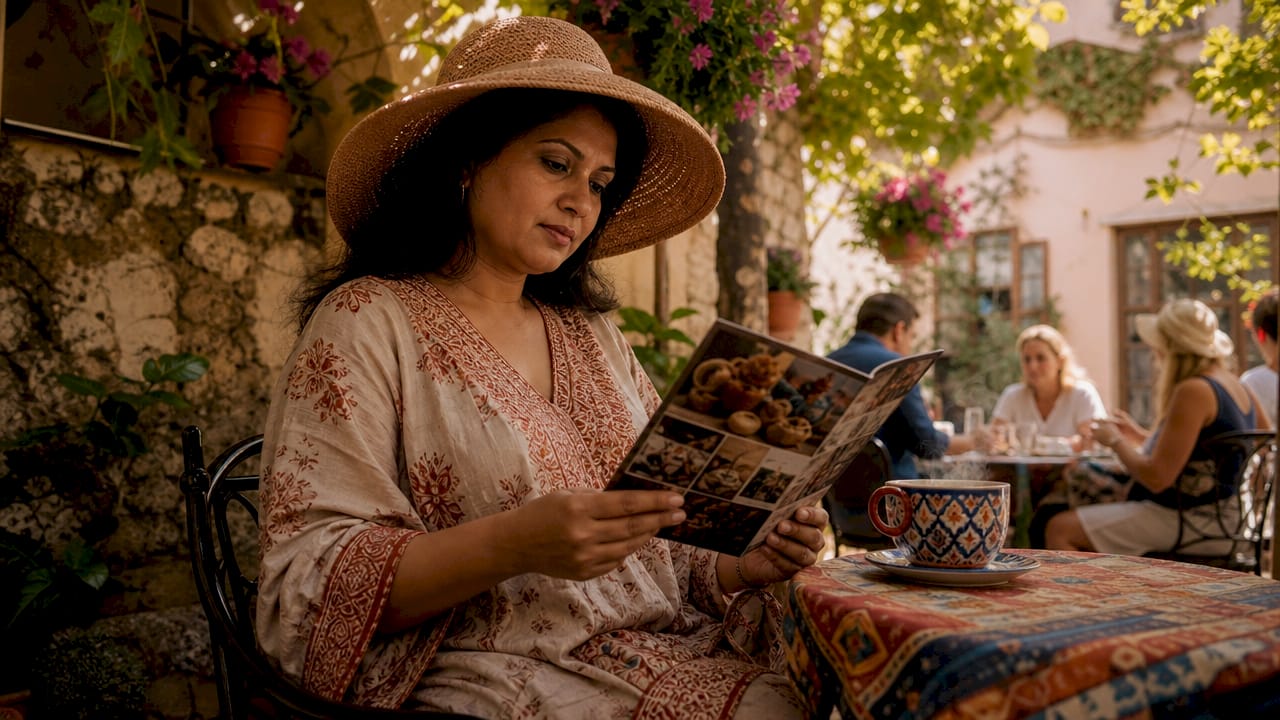
A luxury cultural immersion trip is a curated journey that combines deep, relationship-based cultural engagement with premium comfort, personalized access, and expert guidance. Unlike standard luxury tourism, this travel style prioritizes slow travel, community connection, and narrative-led experiences over five-star amenities alone. Heritage-based travel demand among high-value travelers has grown by over 30% since 2024, confirming that affluent travelers are actively seeking depth over spectacle. The industry term for this approach is “experiential luxury travel,” and this luxury cultural immersion trip guide covers every planning decision you need to make it exceptional.
What are the essential elements of a luxury cultural immersion trip?
Luxury in cultural immersion is defined by access to authentic experiences and cultural artifacts, not by thread counts or minibar selections. That reframe changes every planning decision you make, from who guides you to where you sleep.
The foundational elements of a well-designed immersive cultural journey are:
- Slow travel and extended stays. Genuine cultural engagement requires at least two to four nights within a community. Brief visits produce surface impressions. Clients who commit to a minimum of five nights in one region consistently report deeper, lasting cultural insights. Time is the one luxury amenity that cannot be substituted.
- Expert cultural liaisons. Bespoke cultural liaisons, often academics, local leaders, or community historians, are the single most important differentiator between a tourist itinerary and a genuine immersion experience. Budget for them accordingly.
- Heritage accommodations. Properties that are cultural artifacts themselves, such as a restored riad in Fez, a traditional ryokan outside Kyoto, or a community-owned lodge in the Maasai Mara, deepen the experience in ways that a luxury hotel chain cannot replicate.
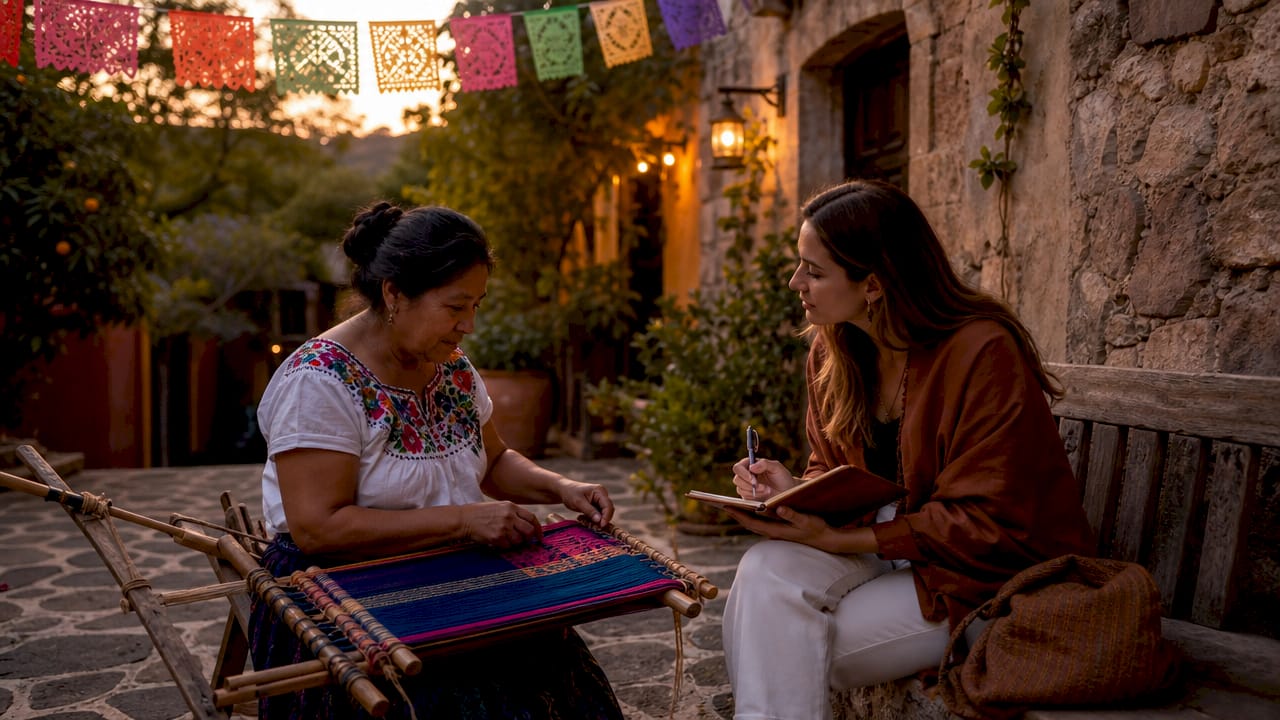
- Curated experiential activities. Private weaving workshops in Oaxaca, exclusive access to a Noh theater rehearsal in Japan, or a pre-dawn ceremony at an Ethiopian Orthodox monastery are the kinds of exclusive cultural access that define this travel style.
- Budget allocation toward access. Spending priorities should shift from premium amenities to exclusive experiences and expert guidance. The most meaningful moments on a cultural immersion trip rarely cost the most money in terms of facilities.
Pro Tip: When reviewing a proposed itinerary, count the number of hours spent in genuine community interaction versus transit and hotel time. If community time is under 40% of the schedule, the trip is still primarily tourism.
How to choose destinations for authentic luxury cultural immersion
The best destinations for high-end cultural experiences share three qualities: cultural depth rooted in living traditions, community ownership of the tourism experience, and ethical practices that distribute benefit locally. Destinations that score well on all three tend to produce the most memorable trips.
| Destination | Cultural Depth | Luxury Access Level | Best For |
|---|---|---|---|
| Oaxaca, Mexico | Indigenous textile, culinary, and ceremonial traditions | High, with specialist operators | Artistic and culinary immersion |
| Kyoto outskirts, Japan | Zen Buddhism, tea ceremony, traditional crafts | Very high, requires local connections | Spiritual and aesthetic immersion |
| Maasai Mara region, Kenya | Maasai community life, wildlife, oral history | High via community lodges | Ecological and cultural immersion |
| Rajasthan, India | Mughal and Rajput heritage, living artisan traditions | High, with heritage palace stays | Historical and artistic immersion |
| Fez, Morocco | Islamic architecture, medina craft guilds, Sufi music | Moderate to high, riad-based | Architectural and sensory immersion |
A common misconception among luxury travelers is that higher costs guarantee deeper cultural engagement. Destinations with affordable cultural experiences allow you to redirect budget toward exclusive access rather than inflated facility costs. Oaxaca, for example, offers extraordinary cultural density at a fraction of the cost of comparable experiences in Western Europe, freeing resources for private artisan workshops and specialist guides.
Aligning your trip’s purpose with the destination’s strengths is equally important. A traveler seeking spiritual depth will find Kyoto’s Zen temple stays far more rewarding than a heritage palace tour in Rajasthan, even if both are technically “cultural.” Hiddendoortravel structures destination selection around this alignment, asking clients to define their primary cultural intention before any itinerary is drafted.
Pro Tip: Ask any operator whether the cultural experiences they offer are community-owned or externally managed. Community ownership is the clearest signal of authentic, ethical access. Externally managed “cultural shows” are almost always staged.
What practical steps help you plan and book a bespoke cultural trip?
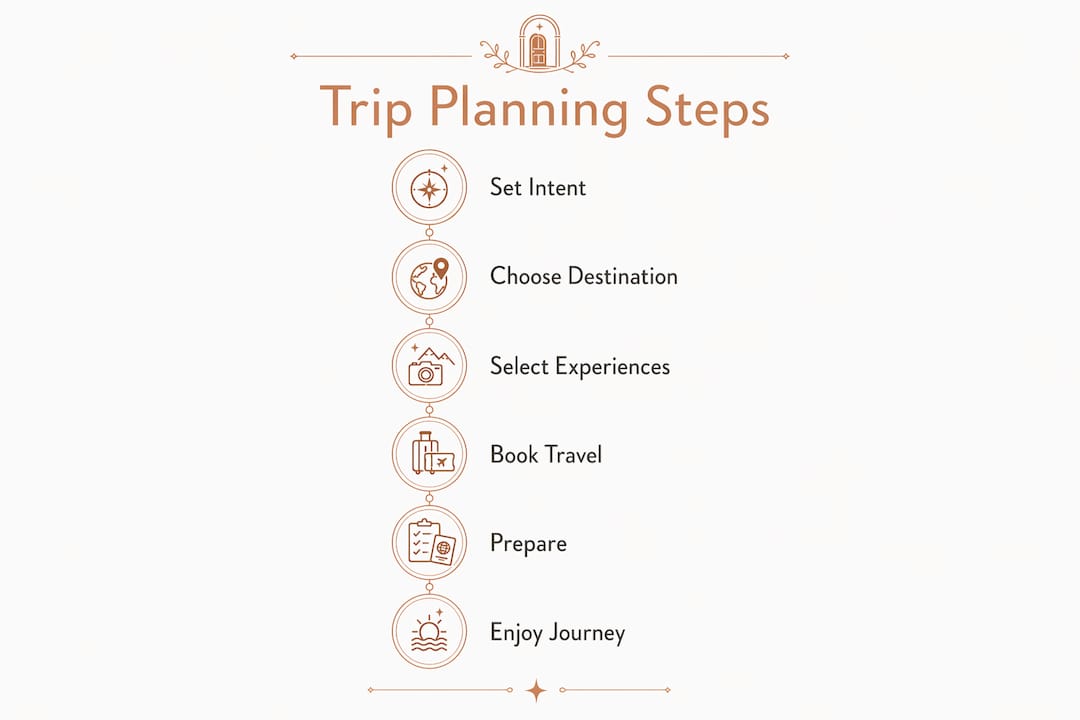
Planning a bespoke immersive travel experience requires a structured sequence of decisions, not just a wish list of destinations. Follow this process to build a trip with genuine depth.
- Define your cultural intention. Decide whether your primary focus is spiritual, artistic, ecological, culinary, or historical. This single decision shapes every subsequent choice, from destination to guide selection.
- Engage a specialist travel designer. Specialist operators with community partnerships provide ethical access that independent booking cannot replicate. Agencies like Hiddendoortravel maintain vetted networks of cultural liaisons and heritage properties built over years of relationship investment.
- Prepare before you arrive. Daily language study using tools like Duolingo or Babbel for 15 to 30 minutes over three months before departure measurably improves immersion quality. Even basic vocabulary signals respect and opens doors that remain closed to unprepared visitors.
- Book accommodations that reflect the culture. Prioritize heritage properties, community lodges, and family-run guesthouses over international hotel brands. The accommodation itself should teach you something.
- Schedule structured cultural activities with built-in flexibility. A private pottery session in Fez or a cooking class with a Oaxacan family should be confirmed in advance, but leave unscheduled hours each day for organic encounters. The unplanned moments are frequently the most memorable.
- Vet every operator for ethical standards. Ask directly how local communities benefit financially from your visit. Reputable operators will answer this question without hesitation.
| Planning Stage | Key Action | Estimated Lead Time |
|---|---|---|
| Cultural intention | Define primary focus and trip purpose | 6+ months before travel |
| Specialist agency | Engage travel designer with local networks | 5-6 months before travel |
| Language preparation | Begin daily study with Duolingo or Babbel | 3 months before travel |
| Accommodations | Book heritage properties and community lodges | 4-5 months before travel |
| Cultural activities | Confirm private workshops and exclusive access | 3-4 months before travel |
Luxury cultural tours for three-week journeys with expert guides and exclusive access typically range from $25,000 to $75,000 or more. That pricing reflects a high-touch, low-impact model where cost is concentrated in expertise and access rather than infrastructure. For travelers accustomed to standard luxury pricing, this reallocation of spend is the most important mindset shift in planning.
What are the common pitfalls in luxury cultural immersion travel?
The most frequent mistake is booking a trip that looks immersive on paper but delivers staged, transactional encounters. A Maasai “village visit” that lasts 45 minutes and ends at a craft stall is not cultural immersion. It is cultural theater, and experienced travelers recognize the difference immediately.
Avoiding this requires vigilance at the planning stage:
- Reject any activity described as a “cultural show.” Authentic cultural experiences are participatory, not performative. You should be learning a skill, sharing a meal, or attending a genuine community event, not watching a rehearsed display for tourists.
- Respect local schedules and rhythms. Meaningful immersion means adapting to the community’s pace, not imposing your itinerary on it. A ceremony that starts at 4 a.m. starts at 4 a.m.
- Understand community ownership. Cultural storytelling and heritage-rich itineraries are most powerful when the community controls the narrative. Ask who designed the experience and who profits from it.
- Balance luxury amenities with authenticity. A heritage riad with cold showers is more culturally honest than a five-star resort with a “cultural program.” You do not need to sacrifice comfort entirely, but comfort should never override authenticity.
- Plan for patience. True cultural immersion is a mindset, not a destination. It requires time and relationship-building that cannot be rushed or scheduled to the minute.
“The distinction between transactional and real cultural immersion is fundamental. The latter requires time and relationship-building beyond surface tourist interactions.”
Ethical travel is not a constraint on luxury. It is the definition of it. When your presence benefits the community you visit, the experience becomes genuinely reciprocal, and that reciprocity is what produces the stories travelers carry home for decades.
Key takeaways
A luxury cultural immersion trip succeeds when slow travel, expert cultural liaisons, and community-owned experiences are prioritized over standard amenities.
| Point | Details |
|---|---|
| Redefine luxury as access | Luxury means exclusive cultural access, not just premium facilities or hotel brands. |
| Slow travel is non-negotiable | Stays of five or more nights in one region produce measurably deeper cultural insight. |
| Liaisons determine quality | Vetted cultural liaisons, academics or local leaders, are the most important investment in any itinerary. |
| Destination alignment matters | Match your cultural intention (spiritual, artistic, ecological) to the destination’s living traditions. |
| Ethical access protects the experience | Community-owned experiences are the clearest indicator of authentic, sustainable cultural immersion. |
What I’ve learned about real luxury in cultural travel
After years of designing bespoke cultural itineraries for discerning travelers, the pattern I keep seeing is this: the trips people remember most are never the ones with the best hotels. They are the ones where something genuinely unexpected happened between a traveler and a local person.
I had a client spend three weeks in Rajasthan with every conceivable luxury arranged. The moment she described when she returned was sitting on a rooftop in Jodhpur at midnight, listening to a retired musician play a sarangi for an audience of two. That was not on the itinerary. It happened because her cultural liaison had a 30-year friendship with the musician and knew to ask.
The uncomfortable truth about luxury cultural immersion is that the luxury part is easy to buy. The immersion part requires trust, time, and the right relationships. No amount of budget compensates for a guide who does not have genuine community standing.
I also think the industry is still too focused on the visual and not enough on the relational. Travelers want Instagram-worthy heritage properties, and those matter. But the slow luxury travel model, where you stay long enough to become a familiar face rather than a visitor, produces a fundamentally different kind of trip. That is the direction I see the most thoughtful travelers moving in 2026, and it is the direction Hiddendoortravel has been building toward for years.
Redefine what luxury means to you before you book anything. If your answer is still “the best suite in the best hotel,” this style of travel will disappoint you. If your answer is “the most meaningful access I can get to a living culture,” you are ready for the real thing.
— Michael
Plan your luxury cultural immersion with Hiddendoortravel
Hiddendoortravel specializes in exactly the kind of bespoke, relationship-driven cultural travel this article describes. Every itinerary is built around your specific cultural intention, with access to vetted cultural liaisons, heritage accommodations, and exclusive experiences that are not available through standard booking channels.
The Hiddendoortravel team draws on deep agency experience and established local networks across Africa, Asia, Latin America, and the Middle East to design trips that deliver genuine immersion without compromising on comfort. If you are ready to move beyond tourism and into something that actually changes how you see the world, speak with the luxury travel experts at Hiddendoortravel to begin designing your itinerary. For those exploring options, the luxury travel agency page outlines the full range of bespoke planning services available.
FAQ
What is luxury immersion travel?
Luxury immersion travel is a style of experiential travel that combines deep cultural engagement with premium comfort and personalized access. It prioritizes slow travel, expert cultural guides, and community-owned experiences over standard tourist activities.
How long should a luxury cultural immersion trip be?
A minimum of five nights in one region is recommended for meaningful cultural depth. Shorter stays produce surface-level impressions rather than genuine relationship-based engagement.
How much does a luxury cultural immersion trip cost?
Three-week journeys with expert guides and exclusive access typically range from $25,000 to $75,000 or more. Cost reflects expertise and access rather than facility quality.
How do I find ethical cultural immersion operators?
Look for specialist agencies with documented community partnerships and transparent benefit-sharing practices. Ask directly how local communities profit from your visit. Reputable operators answer this without hesitation.
Which destinations are best for luxury cultural immersion?
Oaxaca, the Kyoto outskirts, the Maasai Mara region, Rajasthan, and Fez consistently deliver the combination of cultural depth, community ownership, and exclusive access that defines a high-end cultural immersion experience.