

A trip of a lifetime is defined as a travel experience so personally significant and emotionally transformative that it stands apart from every other trip you will ever take. The phrase is widely used in travel culture, but the industry term that captures it most precisely is a “once-in-a-lifetime journey,” a concept recognized by travel authorities like G Adventures and Explore Worldwide as distinct from ordinary tourism. These trips are not defined by price tag or destination alone. They are defined by meaning, timing, and the depth of experience they create. Whether tied to a milestone like retirement or a lifelong dream like witnessing the Serengeti migration, the best lifetime travel experiences share one quality: they change you.
What is a trip of a lifetime, really? Key elements that define it
A trip of a lifetime earns that title through emotional resonance, not just geography. Travel + Leisure confirms that a trip’s lasting emotional impact defines its status far more than its destination or cost. That distinction matters because it shifts the focus from “where” to “why.”
The core elements that elevate a trip to this level include:
- Intentionality. You choose this trip with purpose. It marks a life chapter, fulfills a long-held dream, or honors a milestone. Explore Worldwide notes that milestone trips require intentionality and a deliberate slowing down to allow personal transformation.
- Experiential depth. Surface-level tourism does not qualify. Authentic cultural immersion, genuine connection with local communities, and moments that surprise you all contribute to depth.
- Rarity and timing. Many once-in-a-lifetime adventures hinge on natural phenomena, seasonal events, or personal windows of opportunity that will not repeat.
- Logistical ambition. Reaching remote destinations like the Serengeti or Kilimanjaro’s base camps often requires multiple transportation modes and a real adventurous spirit. The logistics themselves become part of the story.
- Balance between structure and freedom. The most memorable trips combine a few anchor experiences with unscheduled time for spontaneous discovery.
Pro Tip: Limit your major planned activities to two or three per trip. Over-scheduling anchor experiences leads directly to post-trip fatigue and reduces your ability to absorb what you have actually seen.
The emotional architecture of a great trip matters as much as the itinerary. A week in Patagonia with two planned hikes and three open days will outlast a packed 14-stop tour in your memory every time.
What are the most iconic once-in-a-lifetime trips?
Iconic trips of a lifetime share a specific formula: they combine cultural significance, natural wonder, and a sense of rare timing. G Adventures identifies that the most recognized once-in-a-lifetime experiences fuse cultural festival atmosphere, natural phenomena, and aesthetic scale into something no photograph fully captures.

Rio Carnival is the clearest example of that formula at work. Over 2 million people fill the streets of Rio de Janeiro daily during Carnival. That scale creates an energy that is genuinely unrepeatable in any other setting on earth.
The Northern Lights over Iceland or Norway offer the opposite experience: solitude, silence, and a natural light show governed entirely by solar activity. No two displays are identical. Cappadocia’s hot air balloon festival over the fairy chimneys of central Turkey delivers visual drama at dawn that has no equivalent in European travel. The Serengeti’s Great Migration, where over a million wildebeest cross the Mara River between july and october, is one of the last truly wild spectacles accessible to travelers.
Less obvious but equally powerful: a Patagonian glacier expedition in Chilean or Argentine Patagonia, or witnessing a total solar eclipse in the Arctic. These experiences require planning, but they reward it completely.
| Experience | Location | Best Time to Visit | Unique Feature |
|---|---|---|---|
| Rio Carnival | Rio de Janeiro, Brazil | February | 2 million+ daily participants |
| Northern Lights | Iceland or Norway | october–march | Unpredictable solar phenomenon |
| Serengeti Migration | Tanzania | july–october | 1 million+ wildebeest crossing |
| Cappadocia Balloons | Cappadocia, Turkey | april–june | Dawn balloon flights over rock formations |
| Patagonian Glaciers | Chile and Argentina | november–march | Remote ice fields and trekking |
These experiences serve as benchmarks when you are building your own top bucket list trips. They show what is possible when timing, place, and personal readiness align.
How do you plan a trip of a lifetime?
Planning a dream vacation at this level requires more than booking flights. It starts with a single honest question: what kind of experience do you actually want? Adventure, cultural immersion, natural wonder, and deep relaxation each demand a different approach.
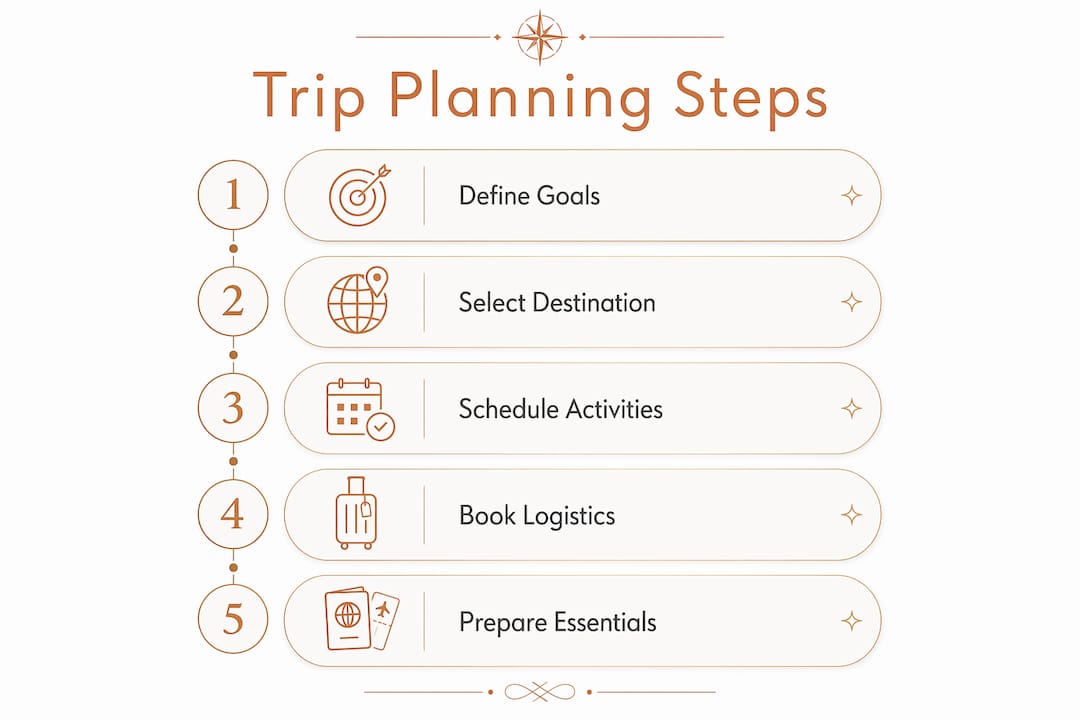
Follow these steps to build a plan that holds up:
- Define your experience vibe. Write down three words that describe how you want to feel during this trip. Those words become your filter for every decision that follows.
- Budget for both the essentials and the extraordinary. Allocate funds for logistics and accommodation, but reserve a portion specifically for the one or two experiences that make this trip irreplaceable. Managing luxury travel expenses thoughtfully prevents the regret of cutting corners on the moments that matter most.
- Research timing with precision. Crowds, weather, and seasonal events can make or break an experience. Visiting the Serengeti outside migration season is a good safari. Visiting during the crossing is a once-in-a-lifetime event.
- Choose two or three anchor experiences and protect them. These are your non-negotiables. Build the rest of the itinerary around them loosely.
- Plan your logistics with expert input. Multi-destination luxury trips involve layered transport, accommodation sequencing, and local guide coordination that benefit enormously from professional planning.
- Leave open time. Unscheduled moments consistently produce the most impactful memories. A conversation with a local, an unexpected market, a detour on a quiet road. These are not accidents. They are what open time makes possible.
- Consider a bespoke travel service. Luxury travelers who use agencies for bespoke trips gain access to local knowledge, exclusive experiences, and logistical support that independent planning rarely matches.
Pro Tip: Retirement travel, in particular, allows for longer and more immersive trips that mark genuine life chapters. If you are in that window, resist the urge to compress the experience. Longer and slower is almost always better.
How do you make the most of your trip and create lasting memories?
The quality of a once-in-a-lifetime adventure depends as much on how you show up as on where you go. These practices separate travelers who return changed from those who return with a full camera roll and a vague sense of having rushed through something great.
- Balance photography with presence. Designating unplugged time during key moments creates richer memories than constant documentation. Take the photo, then put the phone away and actually be there.
- Stay open to the unplanned. The best stories from any trip almost never come from the itinerary. Say yes to the detour, the local recommendation, the unexpected invitation.
- Slow down deliberately. Spend an extra hour at the place that moves you. Eat the long lunch. Watch the sunset without checking the time. Depth comes from lingering, not from covering more ground.
- Practice self-care on the road. Sleep, hydration, and pacing matter. Travel burnout is real, and it steals the emotional bandwidth you need to absorb what you are experiencing.
- Engage with local culture respectfully. Learn a few words of the local language. Eat where locals eat. Ask questions with genuine curiosity. These small acts shift a trip from observation to participation.
When you approach a trip with this kind of intentionality, it stops being a vacation and becomes a life chapter. That is the difference between a good trip and an ultimate travel adventure you will still be talking about in twenty years. Pairing thoughtful lodging and culinary experiences also deepens cultural immersion in ways that standard hotel stays rarely do.
Key Takeaways
A trip of a lifetime is defined not by cost or destination but by intentional design, emotional depth, and the personal significance it carries at the right moment in your life.
| Point | Details |
|---|---|
| Emotional impact defines the trip | The feeling a trip creates matters more than its price or location. |
| Intentionality is non-negotiable | Milestone trips require a clear purpose and deliberate slowing down. |
| Limit anchor activities | Plan two to three major experiences and leave the rest flexible to avoid burnout. |
| Timing shapes the experience | Seasonal events and natural phenomena make the difference between good and unforgettable. |
| Open time creates the best memories | Unscheduled moments consistently produce the most lasting impressions. |
Why the best trips surprise you more than they impress you
I have worked with travelers who spent months planning the most logistically ambitious itineraries imaginable. Kilimanjaro at dawn, private access to Machu Picchu before the crowds, a charter through the Norwegian fjords. Every anchor experience delivered exactly what was promised.
But when I ask those same travelers what they remember most, the answer is almost never the headline moment. It is the shepherd they met on the descent. The small restaurant with no menu where the owner just cooked what was fresh. The morning they woke up early with no plan and found a local market that was not in any guide.
The uncomfortable truth about planning a dream vacation is that the plan is not the point. The plan creates the conditions. What actually makes a trip unforgettable happens in the space between the scheduled moments. That is why I push back hard when clients want to fill every hour. Luxury is not a packed schedule. Luxury is having enough room in your day to be genuinely surprised.
The other thing I have learned: do not wait for the “perfect” trip. The Serengeti migration will not wait for your schedule to clear. The Northern Lights do not care about your workload. The travelers who take these trips and come back changed are the ones who decided the time was right and committed. The ones who keep waiting for perfect conditions rarely go at all.
— Michael
How Hiddendoortravel designs trips worth remembering
Hiddendoortravel specializes in building the kind of bespoke, once-in-a-lifetime experiences this article describes. Every itinerary starts with a conversation about what matters to you, not a catalog of standard packages.
The team at Hiddendoortravel brings deep destination knowledge, trusted local contacts, and years of experience handling the logistics that make ambitious trips actually work. From private access to iconic events to remote expedition planning, the agency handles the complexity so you can focus on being present. If you are ready to move from inspiration to a real plan, the luxury travel agency team at Hiddendoortravel is the right place to start. You can also explore trip inspiration and travel ideas to find the experience that fits your moment.
FAQ
What is a trip of a lifetime, exactly?
A trip of a lifetime is a travel experience defined by its emotional significance and lasting personal impact, not its cost or destination. Travel + Leisure confirms that the feeling a trip creates is what earns it that status.
How much does a trip of a lifetime typically cost?
Cost varies widely depending on destination, duration, and experience type. The defining factor is not budget size but how you allocate it, specifically protecting funds for the two or three moments that make the trip irreplaceable.
When is the best time to plan a once-in-a-lifetime trip?
The best time is when a trip aligns with a personal milestone or a seasonal event that cannot be replicated. Retirement, anniversaries, and landmark birthdays are the most common triggers, according to Explore Worldwide.
How many activities should I plan for a trip of a lifetime?
Plan two to three major anchor experiences and leave the rest of your schedule flexible. Over-scheduling leads to post-trip fatigue and reduces the emotional space needed to absorb what you are experiencing.
Do I need a travel agency to plan a trip of a lifetime?
A travel agency is not required, but bespoke travel services provide access to local expertise, exclusive experiences, and logistical support that significantly improve the quality of complex or remote trips.