

Ultra luxury hotel tiers are defined by a level of service personalization, privacy, and exclusivity that no official star rating system can fully capture. The average daily rate for an ultra luxury room reached $1,245 in Q1 2026, up 8% since 2024. That number tells you something important: this segment is not slowing down, and the travelers booking these properties are not trading down. Understanding what separates these tiers from standard five star hotel experiences is the difference between a great trip and an unforgettable one.
How do ultra luxury hotel tiers differ from standard luxury categories?
The gap between luxury and ultra luxury is not about thread count or lobby size. Ultra luxury hospitality emphasizes individualization and anticipatory service, while standard luxury focuses on consistent, flawless execution at scale. That distinction changes everything about how a stay feels.
Standard luxury hotels deliver a polished, reliable experience. The service is excellent, the rooms are beautiful, and the food is carefully prepared. But the experience is largely predefined. You choose from a menu of options the hotel has designed for a broad audience of high-end travelers.
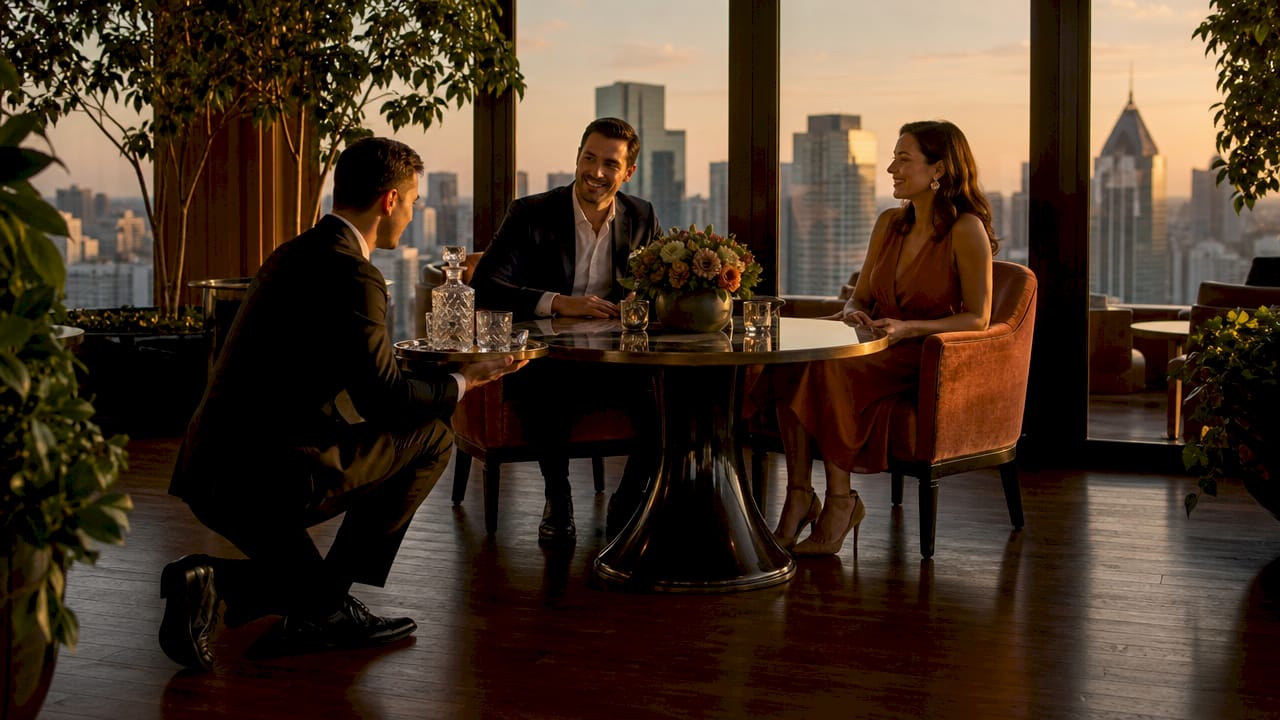
Ultra luxury properties operate differently. They shape experiences around each individual guest rather than offering a refined set of choices. A butler who remembers your preferred pillow firmness from a previous stay, a chef who adjusts a tasting menu based on a dietary note made at check-in, a concierge who arranges a private museum viewing before the doors open to the public. These are not upgrades. They are the baseline.
The physical environment reflects this too. Ultra luxury properties carry fewer rooms, lower guest density, and more private outdoor space per guest. That design choice is not accidental. It is what makes anticipatory service possible at scale.
- Staff-to-guest ratios approach or exceed 1:1 at the top tier properties, enabling staff to address needs before guests articulate them.
- Room count at ultra luxury properties is deliberately limited, often under 100 keys, to protect privacy and service quality.
- Bespoke programming replaces predefined luxury offerings, with itineraries built around each guest’s interests.
- Discretion is treated as a core service feature, not an afterthought.
Pro Tip: When comparing properties, ask the hotel directly about its staff-to-guest ratio. Any property operating at or near 1:1 is signaling a genuine commitment to ultra luxury service, not just premium pricing.
What room and suite categories exist within ultra luxury hotels?
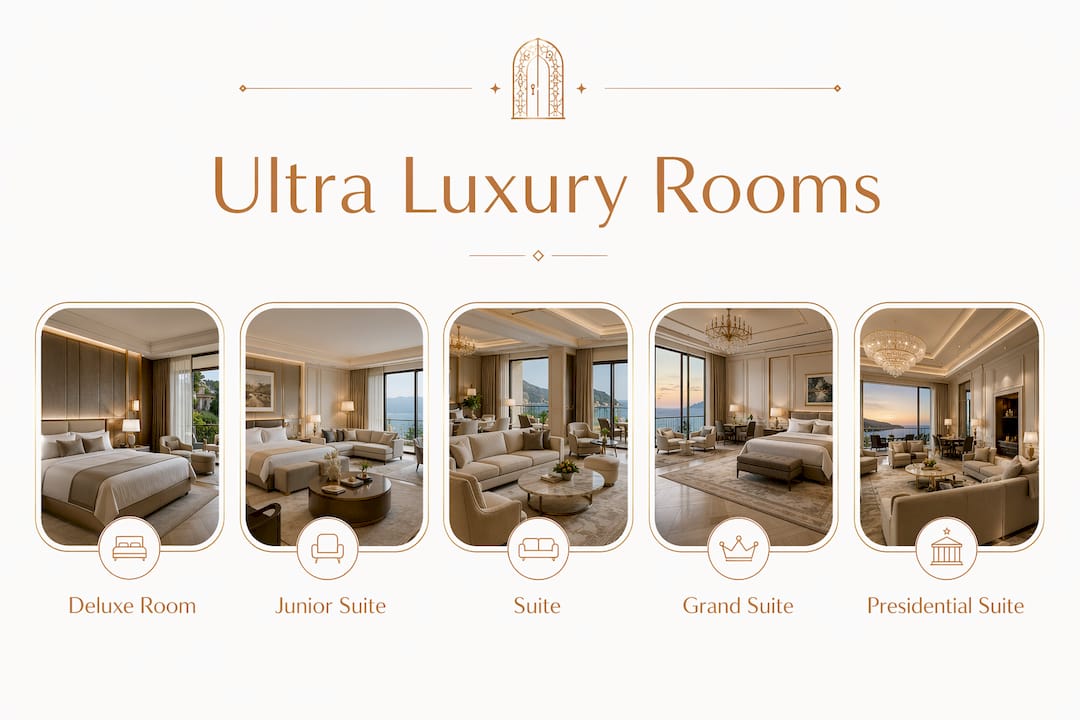
Ultra luxury room tiers typically follow a hierarchy from Deluxe through Junior Suite, Suite, Grand Suite, Signature Suite, and Presidential Suite. Each step up brings more square footage, more dedicated service, and a higher degree of privacy. Naming conventions vary by brand, but the logic is consistent across properties.
Deluxe rooms and junior suites
The Deluxe room is the entry point at an ultra luxury property. Do not mistake entry-level for ordinary. At this tier, a Deluxe room typically includes marble bathrooms, premium views, and curated in-room amenities that would qualify as a suite at a standard luxury hotel. The Junior Suite adds a defined living area but stops short of a fully enclosed separate bedroom.
Suites, grand suites, and signature suites
A Suite at an ultra luxury property includes a separate bedroom, a full living room, and often a dedicated dining area. Grand Suites and Signature Suites expand on this with larger floor plans, private terraces, and more personalized butler service. Signature Suites are frequently the most design-forward rooms in a property, often created in collaboration with architects or artists.
Presidential suites
Presidential Suites represent the highest category at most ultra luxury hotels, ranging from 3,000 to over 10,000 square feet. They command nightly rates that frequently exceed $10,000. These suites typically include multiple bedrooms, a full kitchen, private gym access, and a dedicated team of staff assigned exclusively to the suite.
| Room Category | Typical Size | Key Features |
|---|---|---|
| Deluxe Room | 500–800 sq ft | Premium views, marble bath, curated amenities |
| Junior Suite | 800–1,200 sq ft | Defined living area, enhanced in-room service |
| Suite | 1,200–2,000 sq ft | Separate bedroom, full living room, butler service |
| Grand / Signature Suite | 2,000–3,500 sq ft | Private terrace, bespoke design, expanded butler team |
| Presidential Suite | 3,000–10,000+ sq ft | Multiple bedrooms, private kitchen, dedicated staff |
What do high-net-worth travelers expect from ultra luxury stays?
High-net-worth travelers expect highly curated journeys with high-touch, relationship-led service, built on privacy, trust, and discretion. The expectation is not just a beautiful room. It is a stay that feels designed specifically for them.
Wellness has become a baseline expectation, not a premium add-on. Modern ultra luxury integrates intelligent nutrition, sleep optimization, and discreet medical support as standard components of the guest experience. A property that offers only a spa and a fitness center is no longer competing at the top tier.
Here is what the most discerning travelers now expect as standard:
- Wellness integration: Sleep optimization programs, nutritionist-led menus, and access to discreet medical support on property.
- Place-specific experiences: Curated activities that connect guests to the local culture, landscape, or community in ways that cannot be replicated elsewhere.
- Relationship-led service: Staff who know the guest’s preferences before arrival, not just from a profile form but from genuine relationship history.
- Privacy architecture: Physical design and operational protocols that prevent guests from encountering each other unless they choose to.
- Emotional resonance: Modern luxury is shifting from physical opulence to depth and meaningful experience. Travelers want to feel something, not just be impressed.
The role of a skilled travel advisor is critical here. Advisors who specialize in ultra luxury travel carry relationships with property managers, general managers, and suite teams that translate directly into better access and more personalized treatment. Understanding why elite travel is relationship driven is the starting point for any traveler serious about this tier.
Pro Tip: Request a pre-arrival call with the property’s guest experience team, not just the reservations desk. That conversation is where the real personalization begins, and it signals to the hotel that you expect ultra luxury service, not just a premium room.
How have market trends shaped ultra luxury hotel pricing and supply?
The ultra luxury hotel market is deliberately supply-constrained. Occupancy in the ultra luxury segment rose 2.3% in Q1 2026 even as average daily rates climbed to $1,245. That combination of rising rates and rising occupancy tells you the segment has more demand than it has rooms to fill.
Hotels are responding by converting standard rooms into suites to capture higher rates and meet demand for larger, more exclusive accommodations. This is not a temporary adjustment. It reflects a deliberate strategy to prioritize rate over volume and attract ultra-wealthy guests who insist on top-tier accommodations. Understanding why luxury travel costs more in 2026 requires understanding this supply logic.
The traveler base itself is not uniform. Many ultra luxury travelers mix upscale lifestyle hotels with ultra luxury resorts depending on the occasion. A business trip might call for a well-positioned lifestyle property. A milestone anniversary calls for a full ultra luxury resort with a Presidential Suite and dedicated butler. This mix-and-match behavior reflects a sophisticated consumer who understands the tiers and chooses deliberately.
The K-shaped dynamic in luxury travel is real. The ultra wealthy are spending more and demanding more. Aspirational luxury travelers are being priced out of the top tier entirely. The gap between the two groups is widening, and properties are designing their offerings accordingly.
Key takeaways
Ultra luxury hotel tiers are defined by anticipatory service, low guest density, and bespoke experiences that no star rating system fully reflects.
| Point | Details |
|---|---|
| Service is the defining factor | Staff-to-guest ratios near 1:1 separate ultra luxury from standard luxury properties. |
| Room categories follow a clear hierarchy | Deluxe, Junior Suite, Suite, Grand Suite, Signature Suite, and Presidential Suite each signal distinct service and space levels. |
| Wellness is now a baseline expectation | Intelligent nutrition, sleep programs, and discreet medical support are standard at the top tier, not optional upgrades. |
| Pricing reflects deliberate scarcity | Average daily rates reached $1,245 in Q1 2026, driven by limited supply and rising demand from ultra-wealthy travelers. |
| Advisor relationships unlock real access | Travel advisors with property relationships deliver personalization and access that direct booking cannot replicate. |
What I’ve learned booking ultra luxury hotels for discerning travelers
The most common mistake I see is travelers booking by category name without understanding what that name actually means at a specific property. A “Suite” at one ultra luxury brand can be 1,200 square feet with a private terrace. At another, it is a glorified Deluxe room with a sofa bed in the corner. The category label is a starting point, not a guarantee.
The second mistake is underestimating the value of pre-arrival communication. The properties that deliver the most memorable stays are the ones where the guest experience team knows something real about you before you walk through the door. That does not happen automatically. It happens because someone, either you or your advisor, made it happen.
What I find most interesting about this market right now is the shift toward emotional connection as the primary luxury signal. Ultra luxury hoteliers are using advanced guest intelligence methods to uncover unarticulated desires and build experiences that emotionally resonate. The physical product matters less than it used to. A Presidential Suite that does not feel personal is just an expensive room.
The travelers who get the most from ultra luxury stays are the ones who treat the hotel as a partner, not a vendor. They communicate preferences, they engage with the team, and they work with advisors who have real relationships at the property level. That combination is what turns a top-tier booking into a genuinely exceptional experience.
— Michael
Hiddendoortravel and ultra luxury hotel bookings
Hiddendoortravel specializes in exactly this kind of planning. The team carries direct relationships with general managers and suite teams at the world’s leading ultra luxury properties, which means access to accommodations and experiences that are not available through standard booking channels.
Whether you are selecting between a Signature Suite and a Presidential Suite, planning a wellness-focused stay, or building a multi-property itinerary across different luxury tiers, Hiddendoortravel’s luxury travel experts handle every detail with the discretion and precision this tier demands. The team also helps travelers understand exclusive access travel options that go beyond what any hotel’s public offering includes. If you are ready to plan at this level, the conversation starts with a single call.
FAQ
What makes a hotel “ultra luxury” vs. five star?
Official hotel star ratings cap at five stars, and terms like “seven-star” carry no regulatory backing. Ultra luxury is defined by intangible service quality, exclusivity, and personalization that exceed what any star rating measures.
What is the average cost of an ultra luxury hotel room?
The average daily rate for ultra luxury rooms reached $1,245 in Q1 2026. Presidential Suites at top-tier properties frequently exceed $10,000 per night.
How do I choose between a suite and a presidential suite?
A Suite provides a separate bedroom and living area with butler service. A Presidential Suite adds multiple bedrooms, a private kitchen, and a dedicated staff team, making it the right choice for extended stays or when privacy and space are the top priorities.
Do ultra luxury hotels always have better wellness facilities?
At the top tier, wellness is a baseline expectation rather than a premium feature. Properties at this level integrate sleep optimization, nutritionist-led dining, and discreet medical support as standard components of the guest experience.
Is it worth using a travel advisor for ultra luxury bookings?
A travel advisor with established property relationships delivers access to preferred suites, pre-arrival personalization, and curated experiences that direct booking cannot replicate. For stays at this price point, the advisor’s value is concrete, not theoretical.