
Elite travel is defined by the personal and professional relationships that transform trips from ordinary bookings into extraordinary, intimate experiences. The most exclusive villas, private guides, and off-menu moments in places like Kyoto or the Amalfi Coast are not found on any booking platform. They come from trust built over years between advisors, suppliers, and local partners. Virtuoso CEO Matthew Upchurch states that removing the human element diminishes the value of travel entirely. Understanding why elite travel is relationship driven is the key to unlocking experiences that no amount of money alone can buy.
Why elite travel is relationship driven: the core of personal connections
Personal connections are the engine behind every truly memorable elite trip. When a travel advisor has a genuine relationship with a property manager in Tuscany or a private guide in Marrakech, the traveler gains access to experiences that simply do not exist for walk-in guests. These are not upgrades. They are entirely different categories of experience.
Authentic elite experiences emerge from advisors’ personal relationships, not from public ratings or top-10 lists. That means a private dawn visit to a temple in Kyoto before the crowds arrive, or a dinner hosted in a local family’s home in Oaxaca, arranged because an advisor has spent years earning that trust. No algorithm surfaces these moments.
The relationship between advisor and client matters just as much. When an advisor truly knows a client, including their pace of travel, their tolerance for crowds, their interest in food versus architecture, the trip design shifts from logistical to transformational. Suzanne Connor of The Travel Institute makes this point directly: relationship-building is the ultimate asset in the luxury travel business, not destination knowledge alone.
- Insider access: Advisors with supplier relationships secure private villas, exclusive tastings, and behind-the-scenes tours unavailable through standard channels.
- Cultural immersion: Local partners provide genuine access to communities, traditions, and experiences that guidebooks cannot replicate.
- Service consistency: Long-term supplier relationships mean the advisor knows exactly what quality to expect, and can vouch for it.
- Problem resolution: When something goes wrong abroad, a phone call to a trusted contact resolves it faster than any customer service line.
Pro Tip: Before booking any elite trip, ask your advisor to describe two or three specific supplier relationships they have at your destination. The specificity of their answer tells you everything about the depth of their network.
What does research say about travel and relationship satisfaction?
Research confirms that the quality of shared travel experiences matters far more than how often you travel. Self-expanding vacation activities with a partner are stronger predictors of post-vacation relationship satisfaction and physical intimacy than simply the number of trips taken. That finding reframes the entire purpose of elite travel. The goal is not frequency. The goal is depth.
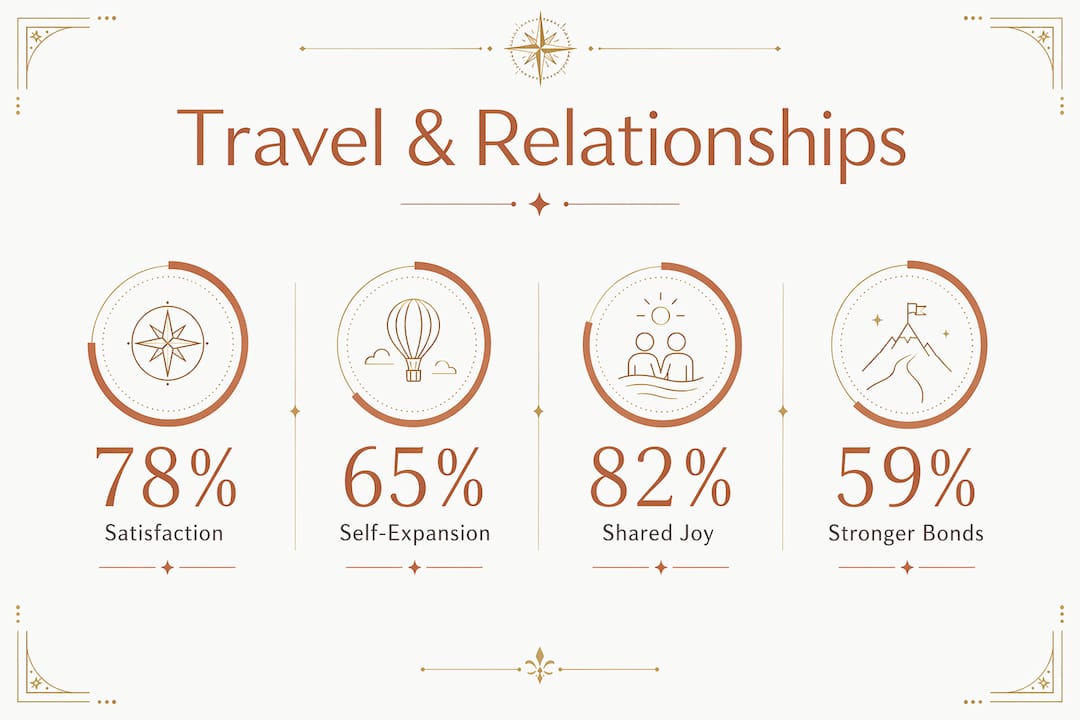
Novel, shared experiences create what psychologists call “self-expansion,” the sense that you are growing as a person through another person. Travel that delivers this, whether it is a cooking class in Bologna with your partner or a private safari in Botswana, produces lasting emotional bonds. The trip ends, but the connection it created does not.
More vacations do not equate to stronger relationships. Couples who take frequent but routine trips report lower satisfaction gains than those who invest in one genuinely novel experience together. This is exactly why relationship-focused travel services prioritize design over volume.
The implications for elite travel planning are direct:
- Prioritize experiences that are new to both travelers, not just new destinations.
- Choose activities that require cooperation or shared discovery, not passive sightseeing.
- Build in unstructured time so genuine connection can happen naturally.
- Select accommodations that encourage intimacy, such as private villas over large resort properties.
The impact of relationships on travel experiences extends well beyond the trip itself. Couples and families who travel with intention report stronger bonds months after returning home.
How is the luxury travel industry shifting toward human connection?
The luxury travel industry has moved decisively away from destination-first thinking. Travelers increasingly seek belonging and meaningful connection rather than sightseeing checklists. This shift is most visible in multi-generational travel and milestone trips, where the emotional stakes are highest.

Ross Evans of USTOA puts it plainly: local insight from relationships is irreplaceable, regardless of how much travel information is available online. A traveler can read every review of a ryokan in Kyoto. But only an advisor with a personal relationship there knows which room faces the garden, which chef will prepare a private kaiseki dinner, and which morning the owner leads a tea ceremony for guests he trusts.
The industry is responding with four clear priorities:
- Relationship-first client profiling. Advisors now spend significant time understanding emotional and experiential goals, not just logistics. Where do you want to feel something? What do you want to remember in ten years?
- Curated group experiences. Multi-generational families and milestone groups want itineraries that create shared memories, not just shared schedules. The design requires deep knowledge of group dynamics.
- Long-term supplier partnerships. Agencies are investing in fewer, deeper supplier relationships rather than broad databases. Depth beats breadth when quality is non-negotiable.
- Culturally sensitive access. Layered relationship structures between client, advisor, supplier, and local stakeholders protect the traveler’s experience and respect the communities they visit.
“The best itineraries are not built from databases. They are built from decades of trust.” This is the operating principle that separates relationship-driven travel from transactional booking.
How can travelers and advisors build relationships that improve every trip?
Building the relationships that power elite travel takes deliberate effort on both sides. The advisor who calls a client after a trip, not to sell the next one but to hear what moved them, is building something that compounds over time. That is the model Virtuoso’s Matthew Upchurch describes as travel as stewardship. Each trip informs the next, and the relationship grows richer with every experience shared.
For travelers, the most important step is choosing an advisor who asks the right questions. Not “what is your budget?” but “what do you want to feel on this trip?” Not “how many nights?” but “what kind of mornings do you love?” These questions signal a relationship-first approach.
For advisors, the work happens between trips. Maintaining contact with suppliers in Iceland, niche luxury destinations, or Marbella’s golf resorts means knowing about new experiences before they appear on any platform. That advance knowledge is the direct product of relationship investment.
- Ask deeper questions. Go beyond logistics to understand a client’s emotional goals for the trip.
- Protect authenticity. Work with local partners who will push back on requests that do not serve the traveler or the community.
- Stay in contact between trips. A brief message about a new experience at a favorite destination keeps the relationship alive and the client engaged.
- Use relationships to access the hidden. The best experiences are never listed online. They come from a phone call to someone who owes you a favor, or simply trusts your judgment.
Pro Tip: Ask your advisor which suppliers they have personally visited in the last 12 months. Advisors who travel their own recommendations build the most credible and current supplier relationships.
Key takeaways
Elite travel is relationship driven because personal connections between travelers, advisors, and local partners create access, authenticity, and emotional depth that no booking platform can replicate.
| Point | Details |
|---|---|
| Relationships unlock exclusive access | Advisor-supplier trust opens experiences unavailable through standard or online bookings. |
| Quality beats frequency in travel | Novel shared experiences improve relationship satisfaction more than taking more trips. |
| Industry is shifting to human connection | Luxury travelers now prioritize belonging and emotional memory over destination checklists. |
| Advisor depth matters more than breadth | Fewer, deeper supplier relationships deliver more consistent and personalized service. |
| Listening drives trip transformation | Advisors who profile emotional goals, not just logistics, design trips that last in memory. |
Why I believe relationships are the only real luxury in travel
I have planned and observed hundreds of elite trips over the years. The ones clients talk about for decades are never the ones with the most expensive hotels. They are the ones where something unexpected and deeply personal happened. A winemaker in Burgundy who stayed three hours past closing because the advisor had introduced him to the client as a genuine friend. A private guide in Petra who knew which passage to take at sunset because the advisor had traveled with him personally.
Technology has made travel information nearly infinite. You can read 10,000 reviews of any property in the world before you book. But information is not access. And access is not connection. The traveler who books through a relationship-driven agency does not just get a better room. They get a different category of experience entirely.
What I find most telling is this: the advisors who build the deepest client relationships are also the ones with the deepest supplier relationships. The two compound each other. A client who trusts their advisor shares more. An advisor who knows more designs better. A supplier who respects the advisor delivers more. The whole system runs on trust, and trust is built one conversation at a time.
The travelers who get the most from elite travel are not the ones who spend the most. They are the ones who invest in the relationship with their advisor, show up curious, and let the network do what it was built to do.
— Michael
How Hiddendoortravel puts relationships at the center of every trip
Hiddendoortravel is built on the principle that the best trips come from the best relationships. Every itinerary the team designs draws on years of personal connections with suppliers, local partners, and cultural insiders across the world’s most sought-after destinations. That network is not a database. It is a living set of relationships maintained through visits, conversations, and mutual trust.
When you work with Hiddendoortravel’s luxury travel experts, you are not buying a package. You are gaining access to a relationship network built over decades. Whether you are planning a multi-generational milestone trip or a private escape for two, the team’s supplier connections and client-first approach ensure your experience goes well beyond what any platform can offer. Explore what personalized travel service looks like when relationships drive every decision.
FAQ
Why do relationships matter more than money in elite travel?
Money secures access to products. Relationships secure access to experiences. The most exclusive moments in elite travel, from private cultural access to off-menu services, come from trust built between advisors, suppliers, and local partners over years.
How does a travel advisor’s supplier network improve my trip?
A travel advisor with strong supplier relationships can guarantee quality, resolve problems quickly, and unlock experiences that are never publicly listed. As Suzanne Connor of The Travel Institute notes, knowing who to call is the ultimate asset in luxury travel.
Does traveling more often improve personal relationships?
Research shows that trip frequency alone does not strengthen relationships. Novel shared experiences that promote self-expansion are the stronger predictor of post-travel relationship satisfaction and intimacy.
What makes relationship-focused travel services different from standard booking?
Relationship-focused services profile a traveler’s emotional and experiential goals, not just logistics. This approach, described by experts at organizations like USTOA and The Travel Institute, produces itineraries that create lasting memories rather than completed checklists.
How do I know if my travel advisor is truly relationship driven?
Ask them to name specific suppliers they have personally visited and describe one experience they unlocked for a client through a personal connection. Advisors with genuine relationship networks answer this question with immediate, specific detail.