Not all travel is created equal. The search for types of experiential travel packages can feel genuinely overwhelming when every agency promises “authentic immersion” while delivering a glorified bus tour. The real distinction lies in four factors: how deeply you engage with a place, how much agency you have over your own experience, how the itinerary is paced, and how far the package can be shaped around your interests. This article cuts through the noise with a clear breakdown of the major package types, what each one actually delivers, and how to pick the one that fits who you are as a traveler.
Table of Contents
- Key takeaways
- 1. Types of experiential travel packages: slow and cultural immersion
- 2. Nature and adventure experiential packages
- 3. Passion, identity, and event-driven packages
- 4. Wellness, skill-building, and educational packages
- 5. Comparison of major experiential package types
- My honest take on choosing experiential travel
- How Hiddendoortravel builds these packages for you
- FAQ
Key takeaways
| Point | Details |
|---|---|
| Immersion level varies widely | Package types range from surface-level themed tours to multi-week cultural embeds requiring real participation. |
| Pacing determines enjoyment | Avoiding burnout means limiting planned activities to one meaningful experience per day rather than stacking obligations. |
| Event-driven travel is surging | 60% of global travelers planned at least one event-driven trip in 2025, making timing and advance booking critical. |
| Slow travel beats hotel hopping | The hub-and-spoke model produces deeper cultural connection than itineraries that move locations every night. |
| Customization is the differentiator | The best experiential travel options let you choose your immersion depth, group size, and activity style before you commit. |
1. Types of experiential travel packages: slow and cultural immersion
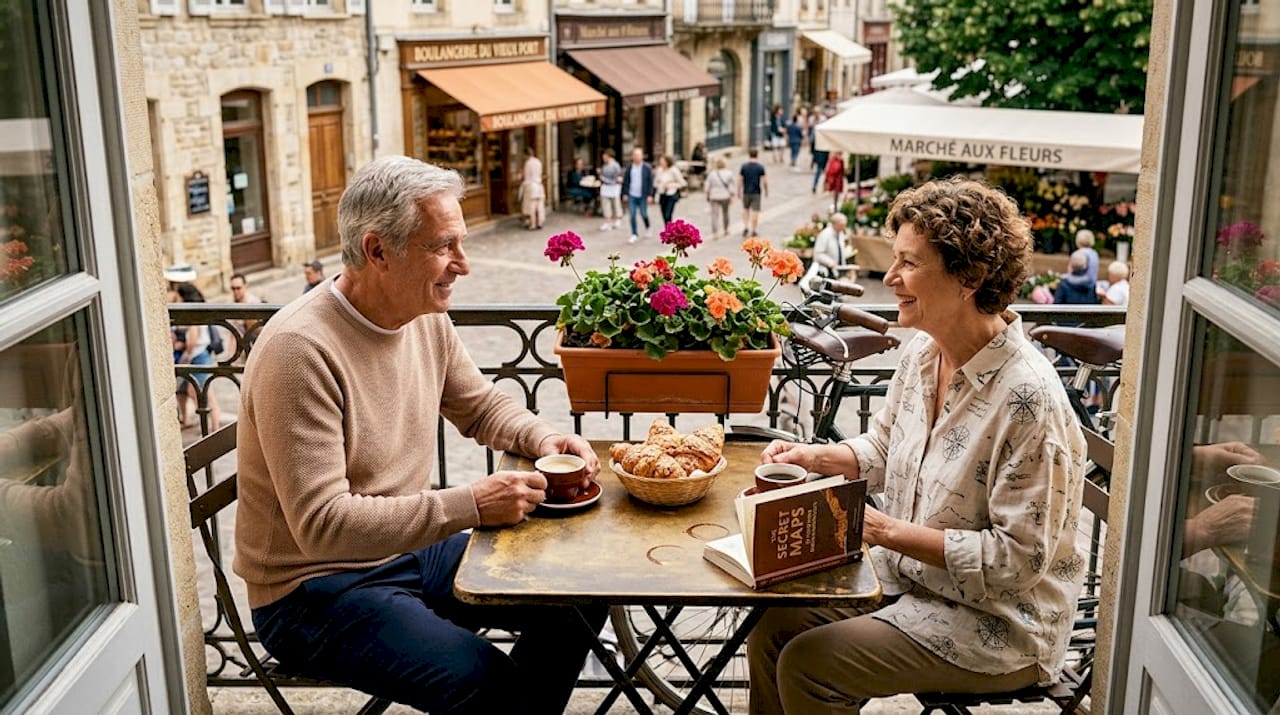
Slow travel is the closest thing to actually living somewhere rather than visiting it. Instead of ticking off a country’s top ten attractions in eight days, these packages place you in one region for an extended stay and fill your time with activities that require real participation.
The logistics follow a hub-and-spoke model. You stay in a single base, whether that is a rented villa in Oaxaca, a farmhouse in Tuscany, or a heritage guesthouse in Kyoto, and you take day trips outward from there. Staying in a home base with a kitchen and access to local markets builds a quality of connection that hotel-hopping simply cannot replicate. You shop for produce with the same vendors twice. You learn a vendor’s name. The place starts to feel familiar.
Typical activities within these packages include:
- Morning visits to local markets with a guide who explains seasonal produce and regional cooking traditions
- Hands-on craft workshops, such as natural dyeing in Chiang Mai or ceramics in Fez
- Multi-day cooking courses with local chefs, not hotel-based culinary “experiences”
- Language and cultural exchange sessions with resident community members
- Optional participation in local festivals or religious observances
Small-group sizes are typically capped at 12, and operators generally recommend booking three to six months ahead for the most sought-after programs. The quality difference between a group of eight and a group of twenty-five is enormous. You get actual access rather than a choreographed preview.
Pro Tip: If you are prone to travel fatigue, choose a slow travel package explicitly: look for operators who list their maximum group size and confirm your accommodation stays fixed for the entire duration.
2. Nature and adventure experiential packages
These packages exist for travelers who want to go somewhere genuinely difficult to reach and experience it with people who actually know it. The spectrum here is wide, from tribal living programs in East Africa to multi-day sea expeditions through archipelagos.
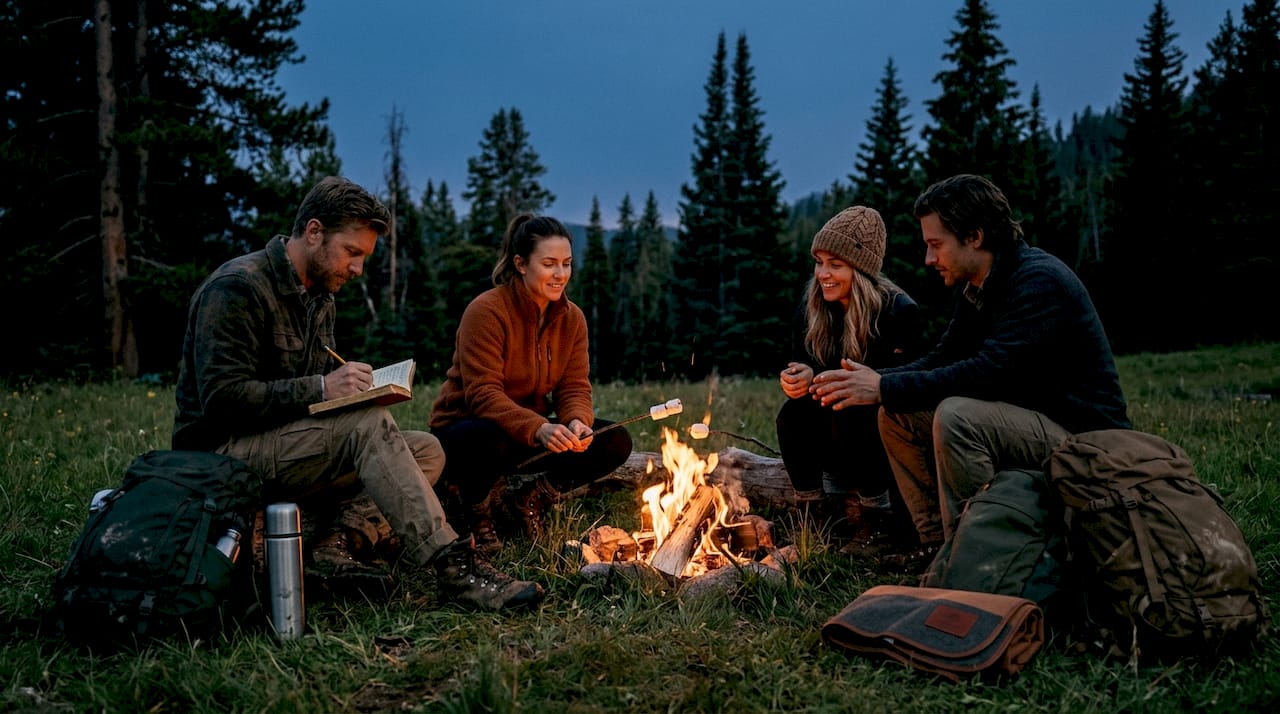
On the tribal end, programs like living alongside the Hadza in Tanzania represent some of the most demanding and rewarding immersive travel tours available today. Tribal packages typically run 10 days and are priced as all-inclusive programs, covering accommodation, meals, guides, and cultural access. You participate in foraging, fire-making, and oral storytelling. There is no performance for tourists. You are genuinely inside someone else’s daily life.
On the maritime side, a well-structured sea expedition like the Palawan boat route from Coron to El Nido illustrates a different kind of immersion. That 3-day journey runs approximately $320 USD per person and covers island-hopping, snorkeling through UNESCO-adjacent waters, and overnight stays on the boat itself. The remoteness is the point. No resort could put you there.
| Package type | Duration | Price range | Group size | Key activity |
|---|---|---|---|---|
| Tribal living program | 10 days | $2,000+ all-inclusive | 4 to 8 | Community participation |
| Maritime expedition | 3 days | ~$320 USD | 6 to 12 | Island, reef, sea access |
| Wildlife conservation | 7 to 14 days | $1,500 to $4,000 | 6 to 10 | Guided conservation work |
| Backcountry trekking | 5 to 12 days | $800 to $2,500 | 8 to 16 | Remote terrain navigation |
What separates the best nature packages from standard adventure tours is vetted access. A credible operator has existing relationships with local communities and knows how to bring travelers in without disrupting what makes those communities worth visiting.
Pro Tip: Ask any nature package operator directly how long they have worked with the specific community or region. Operators with years of on-ground presence offer meaningfully better experiences than those who subcontract locally after you have paid.
3. Passion, identity, and event-driven packages
This category covers packages built around something you already care deeply about, whether that is a religious pilgrimage, an ancestry research trip, or attending a major global cultural event. The driver is personal meaning rather than geographic novelty.
60% of global travelers planned at least one event-driven trip in 2025, which tells you this is no longer a niche. The demand for themed travel packages tied to specific moments is reshaping how agencies build itineraries.
The main categories within this type include:
- Faith and pilgrimage travel: Structured packages for the Camino de Santiago, Hajj support programs, or Shikoku temple circuits in Japan, each with varying levels of logistical support
- Ancestry and heritage tourism: DNA-informed itineraries that take you to ancestral regions with genealogical research included, popular among Irish American, Jewish, and West African diaspora travelers
- Set-jetting: Packages built around filming locations for major productions, from the Scottish Highlands (Outlander) to New Zealand (Lord of the Rings), often paired with local cultural context
- Festival access: Curated itineraries for Carnival in Rio, Diwali in Jaipur, or the Venice Biennale, with accommodation, cultural briefings, and guided participation built in
These packages work best when the event itself is not treated as the only destination. The strongest operators build in pre-event cultural context so you arrive knowing what you are actually witnessing. For culinary event-driven travel, checking what’s emerging in food scenes like Amsterdam’s 2026 restaurant trends gives you a concrete lens for planning around food-focused cultural moments.
Timing is everything here. Book at least six months ahead for major festivals, and twelve months ahead for events with limited accommodation like Venice during Carnival.
4. Wellness, skill-building, and educational packages
Wellness travel has matured well past yoga retreats in Bali. Today’s wellness-focused experiential travel options range from longevity-focused medical retreats in Switzerland and Japan to surf-and-somatic therapy programs in Costa Rica. The common thread is that you leave with something that continues to work for you at home.
60% of surveyed travelers expressed interest in longevity retreats and wellness-focused travel in 2025, which confirms this is a defining trend rather than a passing moment. The category includes three distinct package models:
- Restoration retreats: Low-stimulus, high-care programs focused on sleep, nutrition, and mental health recovery. These typically run five to ten days with structured daily programs and limited phone access.
- Skillcations: Packages built around acquiring a specific skill. Think week-long cheesemaking courses in Normandy, pottery intensives in Jingdezhen, China, or surf coaching programs in the Basque Country. You leave with something tangible.
- Educational tours: Expert-led small-group programs that function more like field courses than vacations. Archaeology digs in Greece, astronomy tours in the Chilean Atacama, or marine biology programs in the Galapagos all fall into this category.
The planning consideration most travelers overlook is intensity matching. A restoration retreat and a skillcation require completely different mental states to fully benefit from. Arrive at a pottery intensive still burned out from work and you will not retain what you have learned. The better operators include a pre-trip preparation guide for this reason.
5. Comparison of major experiential package types
Before committing to a customized travel itinerary, it helps to see the main categories side by side.
| Package type | Immersion level | Typical duration | Customization | Best for |
|---|---|---|---|---|
| Slow cultural immersion | High | 7 to 21 days | High | Deep cultural connection, low transit |
| Nature and tribal expeditions | Very high | 3 to 14 days | Moderate | Remote access, community participation |
| Event and identity-driven | Moderate to high | 4 to 10 days | Moderate | Personal meaning, shared experiences |
| Wellness and skillcation | High | 5 to 14 days | High | Personal growth, restoration |
| Educational tours | High | 7 to 14 days | Moderate to high | Learning-focused, expert-led |
The clearest decision factor is what you want to carry home from the trip. A memory. A skill. A deeper sense of your own history. A physical restoration. Each package type delivers something specific, and the travelers who get the most out of bucket list travel experiences are the ones who matched their package to their actual motivation, not just their destination wishlist.
Story-led travel packages consistently outperform itinerary-heavy tours in traveler satisfaction precisely because they reduce decision fatigue and build narrative coherence across the trip.
My honest take on choosing experiential travel
I’ve spent years watching travelers come back from trips they should have loved and feel vaguely disappointed. The issue almost never comes down to the destination. It comes down to a mismatch between the package type and what the traveler was actually looking for.
The single biggest misconception I’ve seen is that more activities equals more value. True experiential travel requires active participation and agency, and those two things evaporate when you’re running from one ticketed experience to the next. The travelers who come back genuinely changed are the ones who had one real thing happen to them per day and space to actually absorb it.
What I’ve learned about pacing is that it’s personal. Some people hit their stride at day four of a slow travel program. Others are climbing the walls. Knowing which type you are before you book saves you from a very expensive mistake.
My honest recommendation is this: before you look at destinations, ask yourself what you want to be doing with your hands and your mind by day three of a trip. That answer tells you more about your ideal package type than any destination guide ever will. The slow travel, nature, wellness, and event-driven categories I’ve outlined above each serve a genuinely different version of the curious traveler. None is superior. All require you to show up with intention.
— Michael
How Hiddendoortravel builds these packages for you
Finding the right type of experiential travel package from a list is one thing. Having someone build it precisely around your interests, travel style, and schedule is another experience entirely.
Hiddendoortravel specializes in exactly that. As luxury travel experts, the team designs bespoke itineraries across all the categories covered in this article, including slow cultural immersion programs, tribal and maritime expeditions, wellness retreats, and identity-driven travel. Every package is built from genuine on-ground knowledge, not template itineraries assembled from a catalog. Small-group access, vetted local partners, and flexible booking structures are standard, not upgrades. If you know the kind of experience you want but not yet how to build it, that is precisely where Hiddendoortravel’s planning expertise creates real value. Explore curated trip inspiration or connect directly with the team to start designing a trip that actually fits.
FAQ
What are experiential travel packages exactly?
Experiential travel packages are structured trips built around active participation in local culture, nature, skills, or events rather than passive sightseeing. They typically include guided access, accommodation, and curated activities that require the traveler to genuinely engage.
How far in advance should I book an experiential travel package?
For slow travel and small-group cultural programs, booking three to six months ahead is standard. For major event-driven packages like festival or pilgrimage trips, twelve months in advance is advisable given limited accommodation and access.
What is the hub-and-spoke model in travel?
The hub-and-spoke model means staying in one fixed base location and taking day trips outward from there. It reduces transit fatigue, allows deeper community connection, and is a defining feature of slow travel packages.
Are experiential travel packages suitable for solo travelers?
Yes. Most small-group experiential packages are designed to work for solo travelers, with group sizes typically capped between 8 and 16 people. Solo travelers often find the built-in community of a small group enhances the experience.
How do I choose between wellness and cultural immersion packages?
Ask what you most want at the end of the trip: personal restoration or external discovery. Wellness packages prioritize your internal state. Cultural immersion packages prioritize connection with a place and its people. Many operators at agencies like Hiddendoortravel can blend both within a single customized itinerary.