
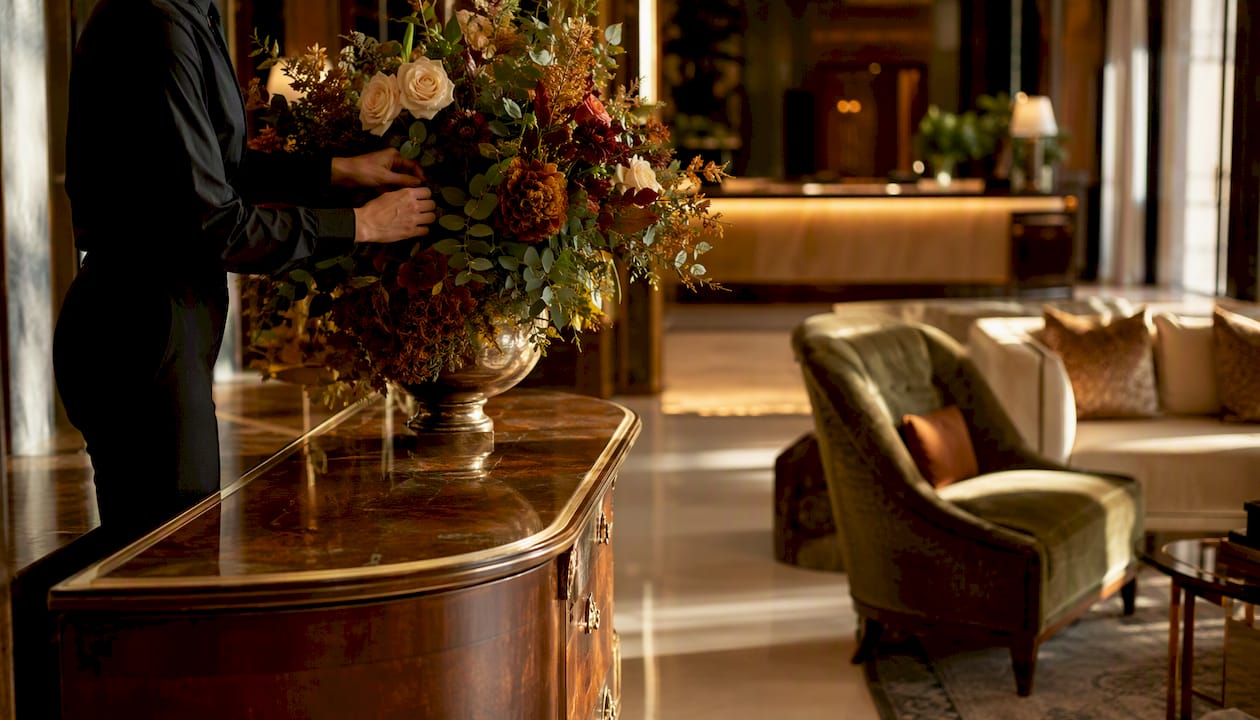
A hotel soft opening is a limited, low-publicity trial run where a property opens its doors to a small group before the official grand opening. The Cambridge Dictionary defines it as opening a business to a limited number of people before the official opening date. Three things matter most if you’re considering attending one: hotels run them to stress-test operations and train staff under real conditions, guests typically receive discounted or complimentary rates in exchange for reduced services, and invitations usually flow through travel agents, loyalty programs, hotel social media, and industry contacts.
Common soft-opening formats include:
- Invitation-only preview nights for friends, family, and travel industry contacts
- Phased facility rollouts where some floors or amenities open while others remain closed
- Limited-service operations with a reduced menu, fewer room categories, and scaled-back spa or pool access
- Partial-wing openings where one building or section launches while construction finishes elsewhere
Key Takeaways
A hotel soft opening is a limited, low-publicity trial run designed to test operations and train staff before the grand opening, typically offering guests discounted rates in exchange for reduced services and honest feedback.
| Point | Details |
|---|---|
| Core definition | A soft opening is a controlled pre-launch trial with limited guests, reduced services, and low publicity. |
| Expect limited services | Partial facilities, shorter menus, and slower service are normal; confirm what’s open before booking. |
| Pricing advantage | Discounted or complimentary rates are common; always confirm inclusions in writing before arrival. |
| Duration varies | Soft openings run from a single night to several weeks, typically in the final weeks before the grand opening. |
| How to find invitations | Follow hotel social channels, work with a travel adviser, or contact the pre-opening sales team directly. |
Table of Contents
- What does a hotel soft opening actually mean?
- Why do hotels run soft openings before the grand opening?
- What should you expect as a guest at a soft opening?
- How long does a hotel soft opening typically last?
- Who gets invited, and how can you find a soft opening?
- Practical dos and don’ts for soft-opening guests
- Soft opening vs. grand opening: what’s different for guests?
- Why soft openings matter more than most travelers realize
- Unlock exclusive soft-opening access through Hiddendoortravel
- Sources
What does a hotel soft opening actually mean?
The industry term you’ll see in hospitality circles is pre-opening or soft launch, and it describes a deliberate, controlled phase that sits between construction completion and the grand opening. A soft opening is not a mistake or a sign of unpreparedness. It’s a planned strategy.
The clearest way to understand the difference: a grand opening is a marketing event, a soft opening is an operational test. During a soft launch, the hotel typically operates at reduced room capacity, offers a condensed food and beverage menu, and keeps certain amenities offline. YourDictionary notes that calling an opening “soft” signals to guests that the property is still refining operations and actively seeks feedback.
Soft-opening formats vary by property type and scale:
- Invitation-only nights: The hotel invites a curated list of guests, often travel agents, media contacts, and local VIPs, to experience the property before any public announcement.
- Limited public access: Some hotels open reservations quietly, without a press release or advertising push, allowing walk-in bookings at reduced rates.
- Phased facility rollouts: A resort might open its rooms and main restaurant while the spa, beach club, and fitness center follow in subsequent weeks.
- Reduced-service operations: Full staffing isn’t yet in place, so service is intentional but slower, and menus are shorter by design.
Each format serves the same core purpose: generate real guest traffic without the pressure of full public scrutiny.
Why do hotels run soft openings before the grand opening?
The operational logic is straightforward. No amount of rehearsal replicates the complexity of actual guests checking in simultaneously, ordering room service at midnight, and requesting late checkouts. A soft opening lets operators test menu, operations, and service in a lower-pressure environment before the full public launch.
Operational goals hotels typically pursue:
- Testing property management systems, booking platforms, and key-card technology under real load
- Validating standard operating procedures (SOPs) for housekeeping, front desk, and F&B
- Stress-testing supplier relationships: linen deliveries, kitchen inventory, and maintenance response times
- Identifying bottlenecks in check-in flow, elevator capacity, and restaurant seating turnover
Strategic goals run alongside the operational ones. A soft opening generates early revenue while the property is still refining its offering, which helps offset pre-opening costs. It also creates a controlled PR environment: any service failures stay within a small, forgiving audience rather than going viral on review platforms.
There’s a loyalty dimension here that most travelers overlook. TouchBistro’s hospitality research highlights that early guests can become long-term supporters when they feel included in a hotel’s founding story. Being among the first 50 guests at a property that later becomes a celebrated address carries genuine emotional weight, and hotels know it.

Pro Tip: If you’re attending a soft opening, mention in your feedback that you’d like to return for the grand opening. Properties often reward early guests with loyalty credits, room upgrades, or priority booking access for the official launch.
Hotels also use pre-opening action plans and department-level checklists to track readiness across housekeeping, engineering, and F&B. When you notice a staff member consulting a tablet or a manager shadowing a check-in, that’s the checklist in action.
What should you expect as a guest at a soft opening?
Realistic expectations make the difference between a frustrating stay and a genuinely interesting one. The property is operational but not polished, and that’s the point.
Practical realities to anticipate:
- Reduced menu: The restaurant may offer a limited selection while the kitchen team calibrates timing and portion consistency.
- Partial facilities: The pool, spa, or fitness center may be closed or operating on restricted hours. Always confirm before you book.
- Slower service: Staff are learning the physical space and the systems simultaneously. A 20-minute wait for room service that should take 10 is normal.
- Construction noise: Finishing work on unopened floors or exterior landscaping often continues during soft openings. Ask about active work zones when reserving.
- Feedback requests: Expect a feedback form at checkout, a brief survey via email, or even a short conversation with a manager. This is the whole point of your stay.
On pricing: hotels commonly offer discounted rates or complimentary rooms and meals during soft openings to compensate guests for the reduced service level. The discount can be meaningful, often substantial below the projected rack rate, but it varies widely by property. Always confirm the rate, what it includes, and what facilities are confirmed open before you finalize the booking.
Hotels may also ask permission to use your photos or a short testimonial. You’re under no obligation, but many guests find it a fair exchange for the access and pricing they received.
How long does a hotel soft opening typically last?
Duration depends on the property’s complexity and how quickly the team identifies and resolves issues. Soft openings commonly run from a single night to several weeks, with most full-service hotels landing somewhere in the one-to-three-week range.
- One to three nights: Used for targeted preview events, often invitation-only. The hotel tests a specific scenario (a full dinner service, a sold-out room night) rather than sustained operations.
- One to two weeks: The most common window for mid-scale and upscale properties. Long enough to cycle through multiple staff shifts and catch recurring issues.
- Three to six weeks: Typical for large resorts or properties with complex F&B operations, multiple room categories, and extensive amenities. Phased facility rollouts often extend the soft-opening window.
- Several months (phased): Some luxury properties open in stages, with each phase technically a soft opening for the new amenity or wing. The “grand opening” may follow months after the first guests checked in.
Where does a soft opening sit in the overall timeline? Hotel pre-opening work spans roughly 6–12 months, covering hiring, training, technology rollouts, and supplier contracts. The soft opening typically falls in the final four to six weeks of that period, close enough to the grand opening that real conditions apply but early enough to fix what breaks.
Who gets invited, and how can you find a soft opening?
The guest list for a soft opening is rarely random. Hotels build it deliberately to get useful feedback from people who understand hospitality and will communicate issues constructively.
Typical attendee groups:
- Friends and family of ownership and management (the classic “friends and family rate”)
- Travel agents and luxury travel advisers with existing supplier relationships
- Local press and lifestyle journalists on controlled, embargo-based previews
- Hotel loyalty program members, particularly top-tier status holders
- Corporate accounts and event planners the hotel wants to cultivate
- Walk-in public bookings, when the hotel opens reservations quietly without advertising
Where to find soft-opening announcements:
- The hotel’s own Instagram and Facebook pages, where a quiet “now accepting reservations” post often precedes any press release
- Trade publications and hospitality industry newsletters
- Wiktionary notes that soft openings are often lightly announced; following a property’s social channels before its projected opening date is one of the most reliable early signals
- Travel advisers and concierge contacts who maintain direct relationships with hotel pre-opening teams
- Invitation-only luxury travel networks that share early-access opportunities with members
Pro Tip: Contact the hotel’s pre-opening sales or PR team directly and introduce yourself as a travel professional or a serious hospitality enthusiast. Properties actively building their early guest list often respond well to a polished, direct inquiry, especially if you can demonstrate familiarity with the brand.
Practical dos and don’ts for soft-opening guests
Getting the most from a soft-opening stay takes a slightly different mindset than a standard hotel visit.
- Confirm what’s open before you book. Ask specifically: which restaurants are operating, which room categories are available, and whether the pool, spa, or gym is confirmed open. Get it in writing if possible.
- Build flexibility into your plans. Don’t schedule a critical business dinner at the hotel’s flagship restaurant on your first night. Have a backup.
- Document issues with specifics. If the hot water pressure is inconsistent or the in-room TV system doesn’t work, note the room number, the time, and what you tried. That level of detail is far more useful to the engineering team than a general complaint.
- Give feedback directly to the hotel first. Before posting a public review, raise the issue with the front desk or a manager. Most properties will address it immediately, and you’ll often receive a meaningful gesture in return.
- Ask about noise and construction windows. Request a room away from active finishing work, and ask the front desk what hours any construction is scheduled.
- Confirm your rate and inclusions in writing. Discounted or complimentary stays during pre-opening events sometimes come with conditions around minimum stay, blackout dates, or specific room categories.
Pro Tip: Pack as you would for any trip, but lower your expectations for in-room technology and amenity availability. The physical room is usually complete; it’s the systems and services around it that are still being calibrated.
Don’t assume that because one facility is open, all are. And don’t treat a soft opening as an opportunity to test the hotel’s limits. The staff are learning, and guests who approach the experience as partners rather than critics tend to get far more out of it.
Soft opening vs. grand opening: what’s different for guests?
| Dimension | Soft Opening | Grand Opening |
|---|---|---|
| Operating scope | Reduced: partial facilities, limited menu, fewer room categories | Full: all amenities, complete menu, all room types available |
| Publicity level | Low: quiet announcements, no major advertising | High: press events, media coverage, marketing campaigns |
| Guest selection | Invited or quietly booked: agents, press, loyalty members | Open to the public |
| Primary objective | Testing operations, training staff, gathering feedback | Marketing, brand awareness, revenue launch |
| Pricing | Discounted or complimentary to offset limited services | Standard rack rate or promotional launch pricing |
| Guest experience | Variable: genuine discovery, possible service gaps | Polished: hotel is performing at full capacity |
The trade-off for guests is clear. A soft opening offers lower cost and genuine exclusivity in exchange for accepting that not everything will work perfectly. A grand opening delivers the full experience but at full price and with full crowds. For travelers who value being first and don’t mind minor imperfections, a hotel soft launch is often the better deal. For travelers who want everything to be flawless from check-in to checkout, waiting for the grand opening is the smarter call.
Why soft openings matter more than most travelers realize
The conventional wisdom treats a soft opening as a consolation prize: you get a discount, you tolerate some rough edges, and the hotel gets free feedback. That framing misses something.
The properties that run rigorous soft openings tend to open better. The operational standards that get tested and refined during those early weeks are the same ones that determine whether a hotel earns its reputation in year one or spends two years recovering from a rocky launch. As a travel adviser, I’ve seen properties skip the soft-opening phase or rush through it, and the pattern is consistent: the reviews in the first three months are brutal, and the team spends the following year correcting problems that a proper pre-opening period would have caught.
For bespoke travelers, a soft opening is also a rare window. The staff-to-guest ratio is high, the team is motivated to impress, and the property is genuinely eager for your input. That combination produces some of the most attentive hospitality you’ll encounter anywhere. I’ve had clients return from soft-opening stays at properties that later became among their favorites, partly because of the experience itself and partly because they felt a genuine connection to the place from its earliest days.
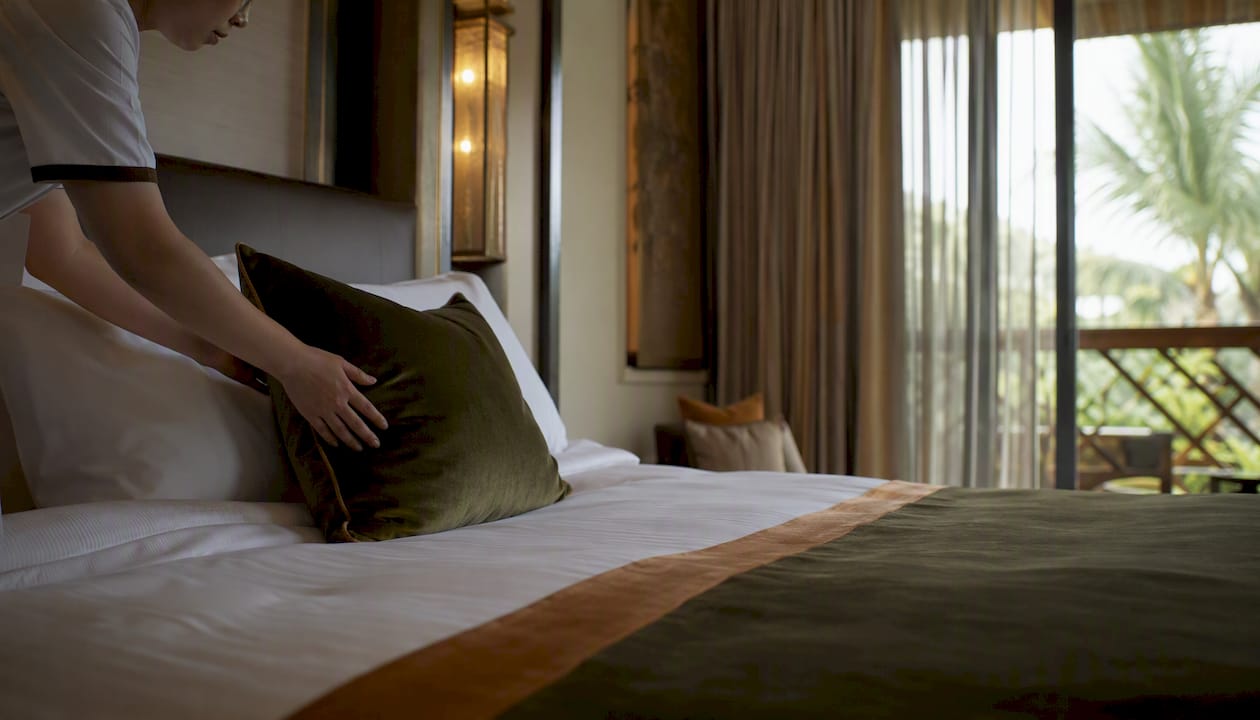
The personalized attention available during a soft opening is difficult to replicate once a hotel is running at full capacity. It’s one of the reasons Hiddendoortravel monitors pre-opening announcements closely and maintains direct relationships with hotel pre-opening teams. When a property that fits a client’s profile is about to soft-launch, that’s a conversation worth having before the general public knows the hotel exists.
Unlock exclusive soft-opening access through Hiddendoortravel
Soft openings at the world’s most anticipated luxury properties rarely appear on public booking platforms. Access comes through relationships, and that’s exactly what Hiddendoortravel builds. As luxury travel experts, the team maintains direct connections with pre-opening hotel teams globally, giving clients early access to properties before they’re on anyone else’s radar. If you want to be among the first guests at a property that will matter, contact Hiddendoortravel to discuss what’s opening and when.
Sources
- Soft opening — Cambridge Dictionary
- Restaurant soft openings — Lightspeed blog
- Soft opening — Technology 4 Hotels