
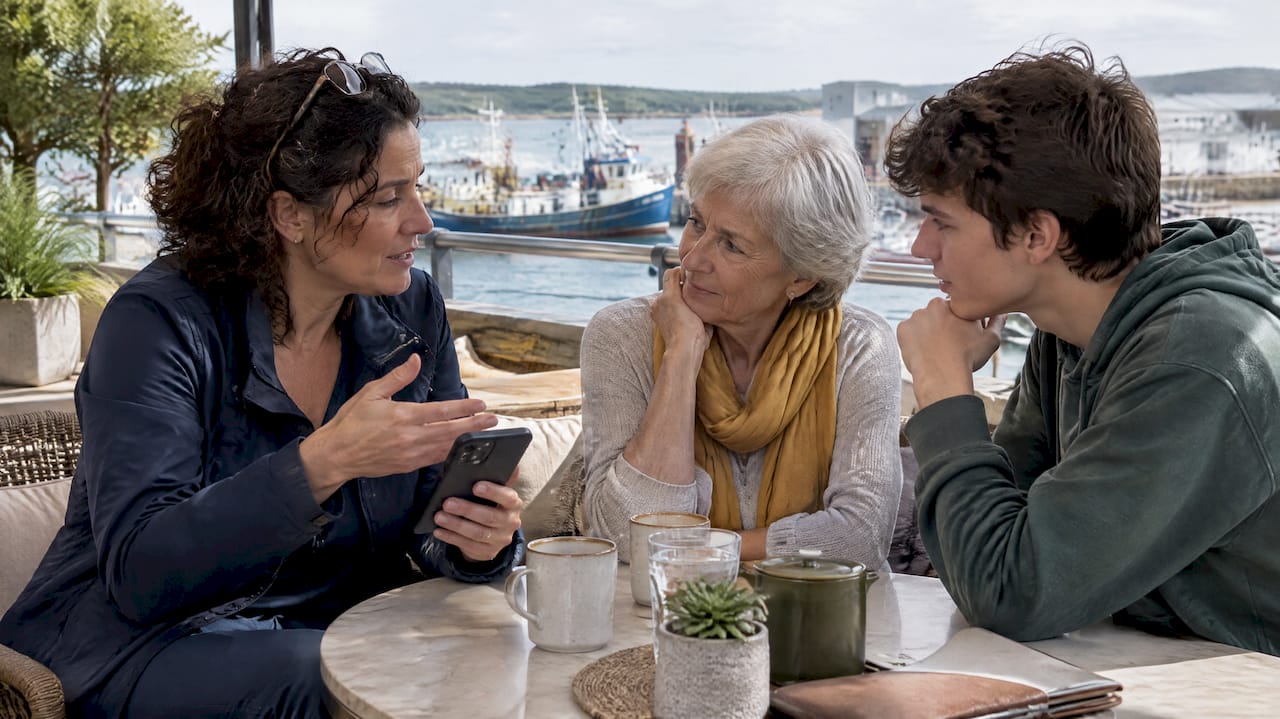
The simplest reliable way to handle multigenerational travel planning is to collect private input from every household, name one decision lead, agree on a money model, and build an itinerary around a few shared highlights. AARP’s multigenerational travel research and CDC health guidance back this up. Below, we walk through each step and its timing.
TL;DR:
- AARP found families often cover their own expenses even when grandparents contribute, so agree whether lodging, flights, and meals are pooled or paid separately.
- For international trips, schedule a health visit 4–6 weeks before departure, pack extra medication, and request TSA Cares screening support at least 72 hours ahead.
- Choose a vacation rental for private bedrooms, a kitchen, and gathering space; favor a hotel when accessible rooms, connecting doors, or housekeeping matter.
- Plan a few shared highlights, keep other activities optional, and reserve daily rest time so relatives with different energy levels need not follow one schedule.
- For complex trips, start a year ahead, then document deposit, refund, and transfer rules before anyone pays, especially if a household may cancel.
Table of Contents
- Start with goals, budget and a private input survey
- Gather ages, mobility needs and documents early
- Choose lodging and transport that balance privacy and togetherness
- Plan shared highlights and leave room for independent time
- Prepare for health, safety and insurance
- Build a booking timeline and divide the work
- Know when a travel advisor earns their fee
- Why a planner-first approach works
- How we take the logistics off your plate
- FAQ
- Sources
Start with goals, budget and a private input survey
Before anyone argues about destinations, send a short online survey. Private answers keep louder relatives from steering the group, and AARP’s own planning guidance suggests starting with an online questionnaire to gather constraints and preferences. Ask about:
- Dates each household can realistically travel
- Budget ceilings per household
- Mobility and medical needs
- Preferred pace, from sunrise hikes to slow mornings
- Must-haves and deal-breakers
Then settle the money model. Grandparents might pay for everyone, each household might cover its own share, or you might mix the two, with grandparents covering the shared house while families pay for flights and meals. AARP found that families often pay their own expenses, even when grandparents chip in, so settle this early and out loud.
Finally, name one communication lead and one decision-maker. Travel advisors recommend a single communication lead so conflicting instructions never reach the group chat.

Gather ages, mobility needs and documents early
Once the survey is back, turn it into a one-page profile for each traveler. Surprises at the airport or the front desk can stem from details nobody wrote down.
- Record each traveler’s age range, mobility limits and daily medications.
- Keep one printed copy of that profile and each traveler’s key documents with every adult.
- For international trips, book a travel-health visit 4–6 weeks before departure, and pack extra medication for delays, as CDC guidance for travelers with chronic conditions advises.
- If someone needs screening help, contact TSA Cares at least 72 hours before departure through the TSA passenger support program.
- Arrange airline wheelchair service directly with the airline, since TSA and airlines handle assistance separately.
Pro Tip: Store the shared profile in a group document everyone can open offline, and carry the medication list in each traveler’s wallet.
Choose lodging and transport that balance privacy and togetherness
A vacation rental works best when you want private bedrooms, a kitchen and a living room big enough for everyone. A hotel or resort wins when you need accessible rooms, connecting doors or daily housekeeping. AARP guidance favors lodging with both shared space and private retreat space, so test any option against that standard.
- Look for ground-floor bedrooms or a working elevator for older relatives.
- Count bathrooms, not just bedrooms, and check shower access.
- Confirm there is one comfortable shared space where everyone can gather.
- Choose two or three cars or scheduled transfers instead of one large van if flexibility matters.
- Ask whether car seats and boosters are available, and reserve them in advance.
For a sense of how a managed itinerary can work in a family-friendly national park setting, this turnkey luxury Grand Canyon itinerary lays out ready-to-book day plans. If your group wants more ideas on destination styles, our travel ideas and trip inspiration pages are a good place to browse.
Plan shared highlights and leave room for independent time
The biggest mistake is scheduling everyone together from breakfast to bedtime. Pick a few shared highlights across the trip, and treat everything else as optional. AARP experts say the strongest itineraries mix high-energy choices with calmer options.
- Choose the shared highlights first: a group dinner, a boat ride, a scenic drive, a cooking class.
- Add parallel tracks, such as a hike for teens and parents while grandparents take a garden tour or a long lunch.
- Rotate who picks the highlight so each generation gets its moment, and keep morning and afternoon plans from stacking up.
- Build in a rest block every day for naps, pool time or quiet reading.
- Circulate a short shared itinerary well before travel so each household can opt in or out of each activity.
Dining out is a favorite shared activity for these groups, according to AARP’s multigenerational report. That makes a reservation for the whole table an easy, low-effort highlight.
Prepare for health, safety and insurance
Most last-minute cancellations come from health problems nobody planned for. Cover the basics before you pay final balances.
- Schedule the travel-health appointment before international departure, and check destination-specific vaccines through CDC guidance for older adults.
- Compare insurance types: trip cancellation, travel health, and medical evacuation. Evacuation matters most for remote or international destinations.
- For children, confirm car seat availability, supervise all swimming, and consider learning basic first aid and CPR.
- On cruises, know that norovirus and respiratory illness can spread on board, and report symptoms promptly to the ship’s medical facility.
CDC advises checking health coverage abroad and considering supplemental medical or evacuation coverage, which can be an important safeguard for a group with older travelers. For child-specific risks such as vehicle and water injuries, the CDC Yellow Book guidance on children is worth a read. If evacuation cover is a priority, see how we think about family travel risk management.
Build a booking timeline and divide the work
Complex groups need runway. Start well ahead so cost-conscious relatives can save and everyone can align calendars. AARP experts recommend planning ideally a year ahead. Date selection is the first hurdle, since AARP found it is the biggest planning obstacle.
- Lock the dates and the budget model first.
- Book flights and secure adjoining rooms or the rental unit next.
- Reserve special-access activities, private guides and group dinners.
- Decide whether deposits are pooled or paid per family, and keep a simple shared spreadsheet of who paid what.
- Write down refund and transfer rules before anyone pays, so a canceled household doesn’t create a dispute.
Know when a travel advisor earns their fee
A good advisor turns a pile of preferences into one workable plan, then handles the execution. Industry advisors say the hardest work is consultation, research and managing family dynamics rather than final booking. Typical advisor tasks:
- A deep discovery conversation with each household
- Itinerary design around mobility and pace
- Vendor negotiation and booking
- Payment coordination across families
- Mediating when preferences clash
Fees pay off for large groups, medical or accessibility needs, multi-destination plans, or families short on time. For multi-stop trips, see our notes on designing a multi-destination luxury trip.
Pro Tip: In a first consultation, ask how the advisor handles accessibility requests, what happens if a household cancels, and how fees are structured. Our agency selection checklist offers more questions to bring.
Why a planner-first approach works
I have watched family trips succeed or stall on one thing: whether anyone was actually in charge. A private survey and a single lead feel almost too simple, yet they spare relatives from group-chat debates and quiet resentment. Planning stays humane when every voice is heard once, then one person carries the logistics. That is what keeps vacations fun and relationships intact.
— Michael
How we take the logistics off your plate
If you would rather spend your energy on the trip than the spreadsheet, we can handle it. We build custom itineraries, manage hotel, air and car bookings, coordinate accessibility needs, and work with vendors so your family deals with one point of contact. We start with a discovery conversation about each household’s needs, pace and budget, then design the plan around you. Explore our Customized All Inclusive Experiences and reach out to book your discovery consultation.

This article is general information, not a substitute for advice from a qualified doctor. Consult a qualified healthcare professional about your own circumstances before acting on anything here.
FAQ
What is the best way to plan a family vacation?
Start with a private survey, name one decision lead, and agree on a budget model. Then build around a few shared highlights, leaving the rest flexible, as AARP’s planning guidance suggests.
How far ahead should a multigenerational trip be planned?
Start well ahead for complex groups. AARP experts recommend planning ideally a year ahead so tighter budgets have time to save.
What are some ideas for a multigenerational holiday?
Beach houses, national parks and cruises all work well because they offer shared time and independent options. AARP experts note cruises let households share a trip without sharing every hour.
Can airport assistance be arranged for older relatives?
Yes. Contact TSA Cares at least 72 hours before departure for screening support, and arrange wheelchair service with your airline, per the TSA customer service fact sheet.
Sources
- Aarp
- Travelers with Chronic Illnesses | Yellow Book | CDC
- Tips for Planning Multigenerational Family Vacations