A private winery tour is a fully custom, one-group-only tasting itinerary led by a dedicated guide or concierge, built around your palate, your schedule, and access most visitors never see. It trades the tasting-room queue for reserved cellar time, winemaker introductions, and a pace you control. Firms like Hidden Door Travel treat this as bespoke trip planning, not a booked activity.
TL;DR:
- A private winery tour typically lasts several hours with three to four winery stops, focusing on intimate access and personalized experiences.
- Costs include vehicle and guide fees, tasting fees, meals, wine purchases, and gratuities, often with transparent, itemized quotes.
- Booking lead times vary from two to four weeks for standard tours and up to twelve weeks for exclusive estates or winemaker experiences.
- Tailoring the tour around your goals and dietary needs requires early communication, especially for guest accommodations or special access.
- Working with bespoke travel planners ensures access to exclusive cellar visits, chef-led meals, and winemaker-led tastings, often secured four to twelve weeks in advance.
Table of Contents
- What’s Included in a Private Winery Tour
- How to Plan a Bespoke Winery Tour Step by Step
- How Much Does a Private Winery Tour Cost?
- Agency, Local Operator, or Booking Direct: What Fits You?
- How Hidden Door Travel Builds Exclusive Wine Access
- Handling Dietary Restrictions and Special Accommodations
- Why Curated Access Still Matters Most
- Request a Bespoke Private Winery Tour
- Sources
What’s Included in a Private Winery Tour
Most single-day private tours typically last several hours, starting with a late-morning pickup and concluding by early evening. That window fits three to four winery stops comfortably, five if you’re moving fast and skipping lunch, which nobody who’s paid for a private guide actually wants to do.
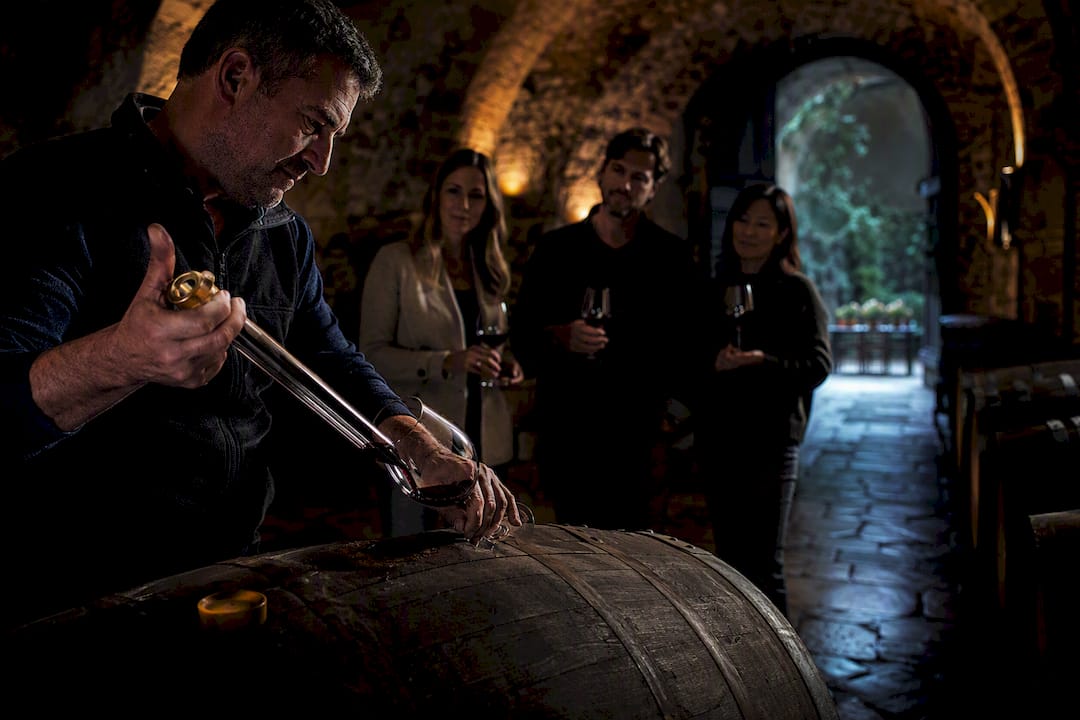
Group size is what makes the whole thing “private” in the first place. A small group, usually a few guests, is ideal: small enough that a winemaker will pour from a barrel just for you, large enough to split the vehicle cost. Push past eight or ten and you start losing the intimate access that separates this from a bus tour with better wine.
Transportation usually runs on an hourly rate with a set minimum of several hours, rather than a flat day fee. That minimum matters because it shapes your whole schedule: book a shorter day and you’re still paying for hours you didn’t use, so most luxury Napa operators structure pricing around vehicle-hourly minimums that make five or six hours the natural default. “Vehicle turnover” refers to how many groups a car and driver can serve in a day. Ask about it if you want your afternoon start time locked in rather than shifted around someone else’s morning booking.
Tasting formats vary more than most first-timers expect:
- Standard tasting room pours, but on a private schedule instead of a shared bar
- Private cellar or cave tastings, often barrel samples not sold commercially
- Winemaker-led sessions where the person who made the wine walks you through it
- Private lunches or dinners paired course-by-course with estate wines
What’s typically included: the vehicle, driver, and guide time. What’s usually extra: per-person tasting fees, food, any wine you buy and ship home, and gratuities. Behind-the-scenes cellar and cave access is common on private tours but rarely automatic. You need to request it.
Pro Tip: Ask your guide to build in one “unstructured” 20 minute stretch at your favorite stop. The best moments on these tours happen when nobody’s watching the clock.
How to Plan a Bespoke Winery Tour Step by Step
Start with what you actually want, not the region you want to visit. A collector chasing library verticals needs a different day than a couple wanting a romantic winery outing with a long lunch. Karen MacNeil’s approach to luxury wine travel treats the planning conversation itself as the first deliverable, not a formality before the “real” booking happens.
- Define the outcome. Deep dive into one appellation, a sampler across styles, or a food-focused day built around pairings?
- Check lead times. Standard private tours often book two to four weeks out. Invitation-only estate visits and winemaker meetings typically need four to twelve weeks of lead time.
- Build the itinerary skeleton. Region, number of stops (three is realistic for a relaxed day), dining plans, and where you’re sleeping that night.
- Confirm logistics. Vehicle type, hourly minimum, pickup and drop-off points, and the cancellation policy in writing.
- Flag special requests early. Allergies, mobility needs, a birthday surprise, a specific vintage you’re hunting.
Here’s a sample brief you can adapt when contacting an agency or winery directly:
A solid framework here saves real back-and-forth. Our own guide to designing a bespoke travel itinerary walks through the same logic for multi-day trips.
How Much Does a Private Winery Tour Cost?
Costs stack up in layers, and quotes that skip a layer usually mean it gets added later. The main line items:
- Vehicle and driver, billed hourly with a minimum (commonly six hours)
- Guide or concierge fee, sometimes bundled with the vehicle, sometimes separate
- Per-person tasting fees at each winery
- Meals, from a simple cheese board to a multi-course chef lunch
- Wine purchases and shipping
- Gratuities for driver and guide
Private estate tastings illustrate the range well: FIGGINS Estate’s reservation-only tastings run 60 to 90 minutes at $40 to $75 per guest depending on membership status, and that’s before any vehicle or guide cost. A full day with three stops, lunch, and a private car easily lands in four figures for a small group, more if a winemaker dinner or invitation-only estate is involved.
Ask any provider whether quotes are all-inclusive service fees or pass-through pricing with fees added as they arise. Transparency here separates a real bespoke operator from a middleman marking up someone else’s rate card.
Agency, Local Operator, or Booking Direct: What Fits You?
The right route depends on how much access you need versus how much planning time you have. Booking direct works if you already know exactly which winery and have an existing relationship. A local operator suits travelers who want convenience within one region and don’t need invitation-only doors opened. A luxury agency makes sense when you want multi-region trips, dining and lodging woven in, or access that isn’t publicly bookable at all.
Before committing to any provider, ask for:
- A sample itinerary showing actual past trips, not a generic template
- References or reviews you can verify independently, similar to checking a Better Business Bureau profile before hiring any tour company
- Proof of vehicle insurance and driver credentials
- Evidence of direct winemaker or estate relationships, not just a booking portal
The clearest sign of a real relationship: a provider who can name specific winemakers by name and describe what makes each estate’s private experience different. Our piece on private guided tour benefits breaks down these trade-offs in more depth.
How Hidden Door Travel Builds Exclusive Wine Access
Bespoke itinerary design, exclusive access negotiation with estates, luxury ground transfers, and full concierge coordination form the core of how Hidden Door Travel handles private winery tours. Michael, our travel expert with years arranging luxury itineraries, leads much of this planning work.
The typical workflow starts four to six weeks out for standard private access, extending to eight or twelve weeks when invitation-only estates or specific winemakers are involved. This is in line with what luxury wine travel specialists recommend for securing exclusive time.
What we typically secure for clients:
- Private cellar or cave access not open to walk-in visitors
- Chef-led lunches paired with library wines
- Wine shipment handling so purchases arrive home without hassle
Pro Tip: If a specific winemaker’s schedule matters to your trip, tell your planner on day one. Winemaker calendars fill first, long before tasting room slots do.
Handling Dietary Restrictions and Special Accommodations
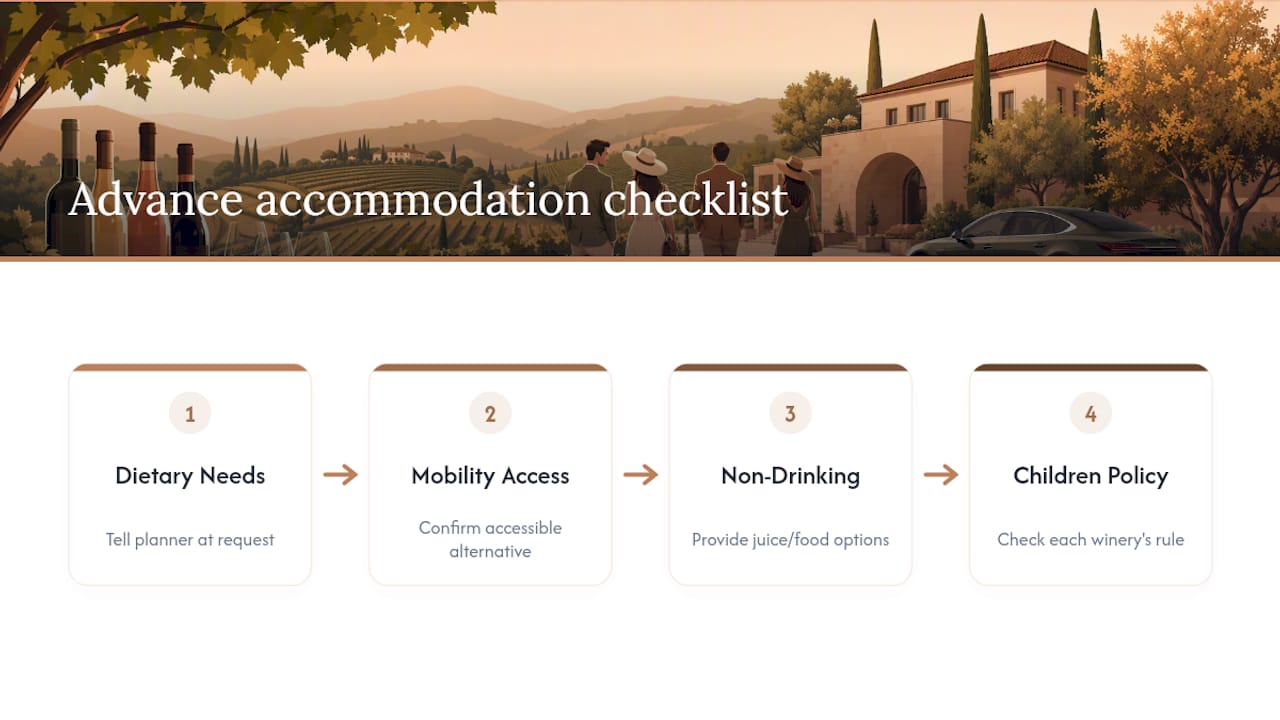
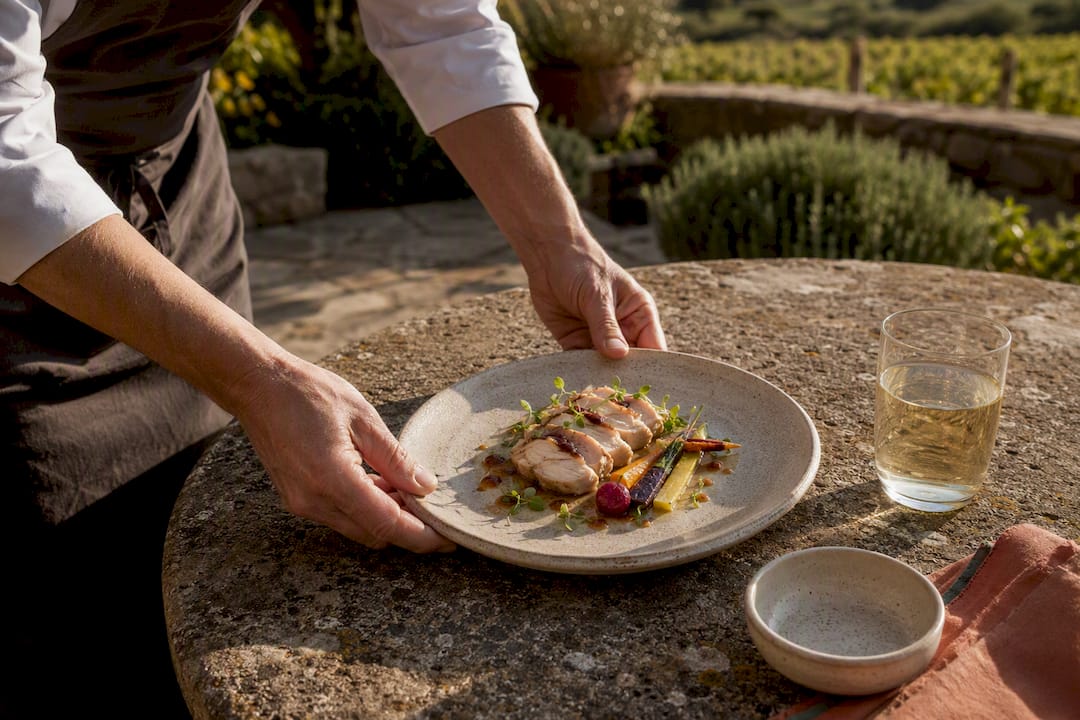
Private tours handle dietary needs far better than group tastings, mainly because someone actually asks in advance. Tell your planner about allergies, vegetarian or vegan preferences, gluten sensitivity, or religious dietary rules when you first request the itinerary, not the morning of.
Wineries that offer paired lunches or dinners can usually adjust a menu with two to three weeks’ notice. Same-week requests are harder. Some estates work with a single on-site chef who needs real lead time to source substitute ingredients, especially at smaller properties without a full kitchen staff.
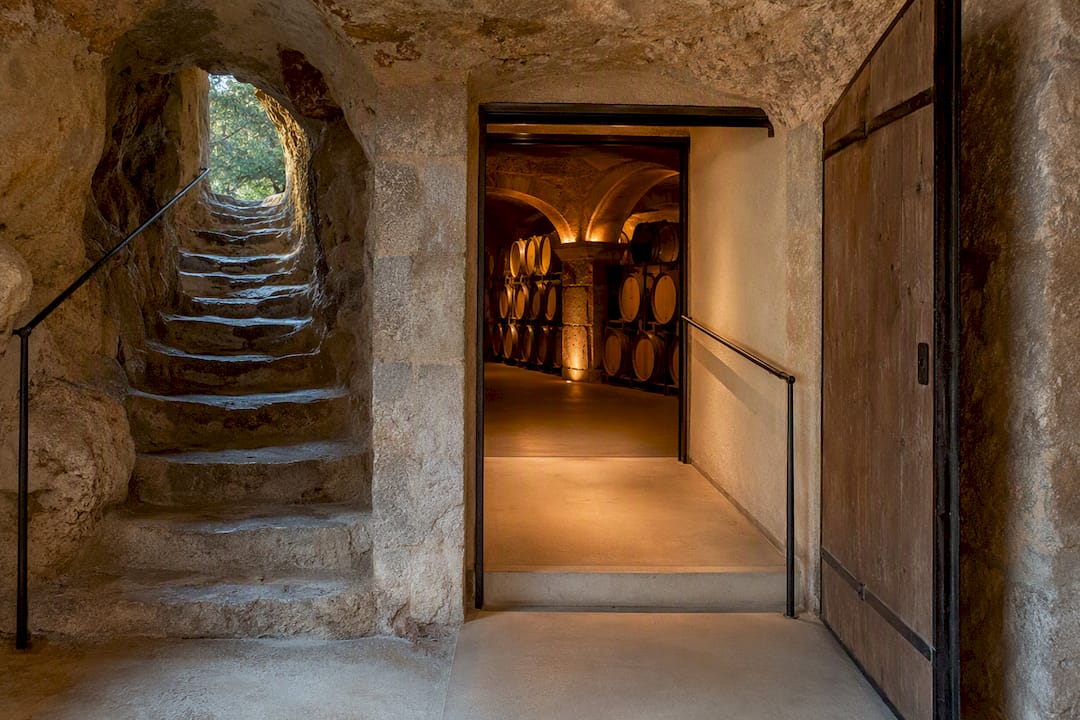
Mobility needs matter just as much. Cave and cellar tours often involve stairs, uneven stone floors, or narrow barrel-room walkways. Ask specifically whether a cave visit has an accessible alternative, since not every estate can offer one.
Alcohol isn’t universal even on a wine trip. Guests who don’t drink, are pregnant, or are the group’s designated driver should get equal attention in the itinerary through juice pairings, cheese and charcuterie without a pour requirement, or simply a scenic pause at each stop. A good guide builds this in without making anyone feel like an afterthought.
Traveling with kids or a larger extended family raises a different question: which wineries actually welcome children on the property, and which don’t. This is worth confirming stop by stop rather than assuming, since policies vary widely even among estates a few miles apart.
Why Curated Access Still Matters Most
Most clients don’t ask for a bus route with better wine. They ask for a day that feels like it was built around them, with someone who can get a cellar door to open that normally stays shut.
One trip stands out: a private cave tasting followed by a chef-led lunch on the terrace, wine pairings adjusted for a guest’s gluten sensitivity, timed so the group never once checked a watch. That’s the standard worth chasing. If an invitation-only estate visit matters to your trip, start that conversation early. Those calendars fill first.
— Michael
Request a Bespoke Private Winery Tour
Hidden Door Travel builds each winery day around your goals instead of fitting you into a fixed route, which is the real difference between a booked tour and a planned one. A consultation starts with a planning call to understand what you actually want from the day, followed by a sample itinerary, an availability check with the estates you’re interested in, and a full quote with no hidden pass-through fees.
Turnaround on a standard quote usually takes a few business days once we know your dates and region. For invitation-only access or winemaker-led experiences, starting the conversation four to twelve weeks ahead gives us real room to negotiate. Reach out through our luxury travel experts page to start that first planning call and get a sample itinerary built around exactly what you’re after.
Sources
This article draws on planning guidance from Karen MacNeil’s private wine tour resources, regional coverage from Napa Valley’s official tourism guide, pricing detail from FIGGINS Estate, and transportation structure from Napa’s luxury tour operators. For pairing lodging with culinary experiences on a wine trip, see this guide to combining lodging and gastronomy.
- Private Wine Tastings & VIP Wine Tours with Karen MacNeil | Luxury Wine Experiences
- Wine Taste at the FIGGINS Estate in Walla Walla — FIGGINS | World-Class Estate Wines from Walla Walla, WA
- Wine Tours – Napa Valley Luxury Transportation
- Napa Valley Wine Tours & Transportation Guide