
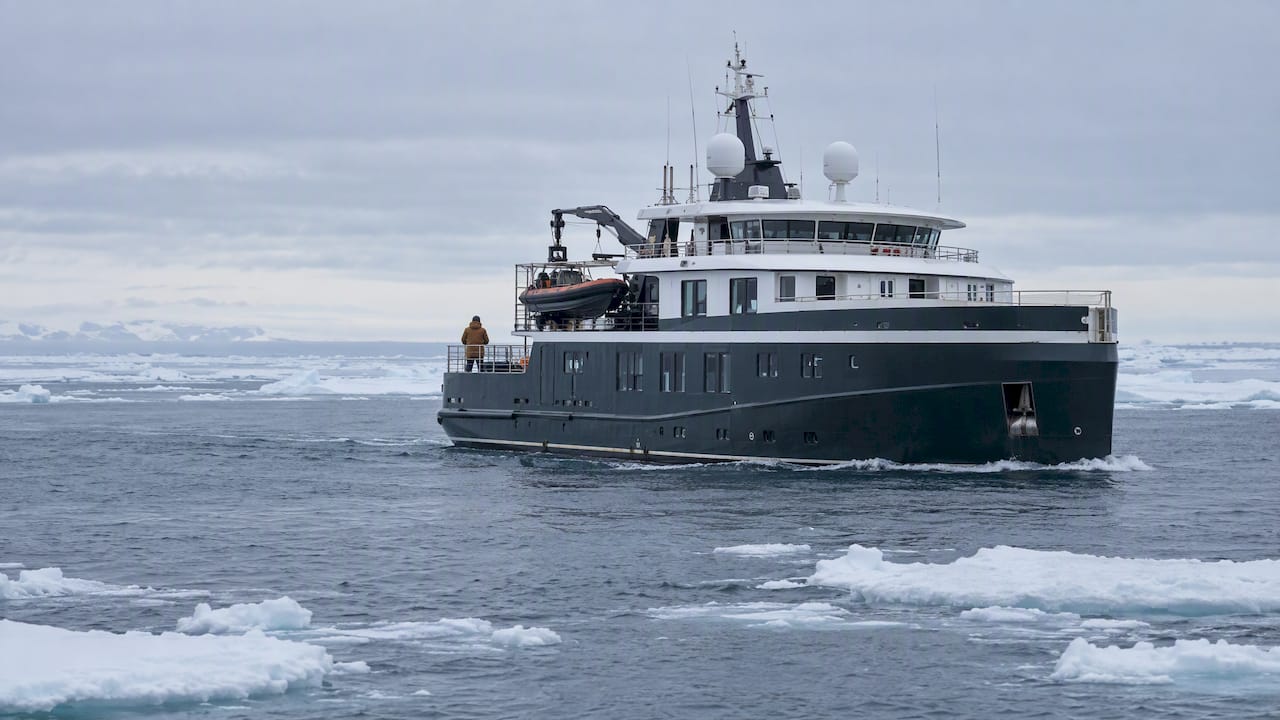
Luxury travel in 2026 is defined by reassurance over spectacle: wellness and longevity programs, branded small-ship cruising, slow multi-leg itineraries, and hyperpersonalized packages built around trust rather than status. Industry research from Resonance and Prophet both point to the same shift, and advisors at Hidden Door Travel are seeing it play out in what affluent clients actually book. The sections below unpack each trend and the destinations built around them.
TL;DR:
- Wellness and longevity trips now require months of preparation, accreditation checks, and comprehensive health screenings before travel begins.
- Small-ship cruises are in high demand, with limited cabins and high staff ratios, stressing early bookings and the importance of travel protection.
- Multi-leg slow travel, such as extended rail journeys, benefits travelers with flexible schedules and requires careful planning for transfers and timing.
- Hyperpersonalized packages combine AI-driven inspiration with advisor-led confirmation, prioritizing trust and curated experiences over all-inclusive templates.
- Cooler destinations and shoulder-season timing are increasingly popular, driven by climate awareness and the desire for quieter, more reassuring luxury experiences.
Table of Contents
- Wellness, longevity and performance-led travel
- Luxury cruising and branded hotel yachts
- Slow travel: luxury rail and extended itineraries
- Hyperpersonalization and the return of premium packages
- Quiet luxury, coolcations and climate-aware timing
- Authentic immersion and regenerative experiences
- Top destinations for 2026 and why they matter
- Agency insight: how Hidden Door Travel packages these trends
- Emerging luxury travel experiences like space tourism or adventure luxury
- Impact of geopolitical factors on luxury travel accessibility
- Luxury travel insurance and health safety protocols post-pandemic
- Publisher perspective: priorities for affluent travelers in 2026
- How Hidden Door Travel helps execute 2026 luxury trips
- FAQ
- Sources
Wellness, longevity and performance-led travel
Spa weekends have given way to longevity clinics, diagnostic panels, and regenerative therapy built into the itinerary itself. Affluent travelers now treat a trip as a chance to get baseline bloodwork, hormone panels, or recovery protocols alongside the usual sightseeing. Resonance’s 2026 research finds wellness trip intent rising sharply among the Top 1% of travelers, a group already driving a disproportionate share of luxury spend. Booking this kind of trip takes more than a hotel reservation.
- Medical screening and intake forms often start weeks before departure.
- Credential and accreditation checks matter as much as the view from the suite.
- Lead times for top longevity clinics now stretch months, not weeks.
Pro Tip: Ask any wellness provider for proof of facility accreditation and malpractice coverage before you commit, not after you arrive.
For a longer look at how these programs come together, see this luxury spa retreat planning guide.
Luxury cruising and branded hotel yachts
Hotel brands are moving into small-ship cruising, and the inventory is tight by design. These are not repositioned mass-market ships: cabin counts stay low, staff ratios stay high, and the brand experience on land carries straight onto the water. Condé Nast Traveler reports a surge in luxury cruising interest, concentrated heavily among travelers over 40 who want familiar brand standards at sea.
- Fares reflect scarcity, not just itinerary length or cabin size.
- Shore excursions are increasingly built around private access rather than group tours.
- Travel protection matters more here, since a missed embarkation on a small ship has fewer workarounds than on a larger vessel.
Advisors who track allocation calendars can secure holds before public release, which is often the difference between a cabin and a waitlist. For the mechanics of how these ships differ from standard cruising, see this guide to ultra luxury cruise lines.
Slow travel: luxury rail and extended itineraries
Multi-week rail journeys and stacked multi-leg trips are replacing the single-destination vacation for travelers with the time to spend. Condé Nast Traveler documents clients stringing together rail routes, cruise segments, and city stays into one extended arc rather than booking each piece separately.
- This style suits time-rich travelers more than those working around a fixed two-week window.
- Costs scale with the number of legs, and lead times often run six months or more for peak rail departures.
- Luggage handling and transfer coordination between legs is where these trips tend to break down without careful planning.
An advisor who pads connection windows and pre-arranges porters earns their fee on logistics alone, long before the scenery comes into it.
Hyperpersonalization and the return of premium packages
Packages are back, but not the all-inclusive templates of a decade ago. Deloitte’s analysis points to hyperpersonalization as the mechanism: travelers want the predictability of a curated package with the feel of something built just for them. Friction reduction is the real appeal, not the bundling itself.
- Generative AI tools help travelers browse ideas and compare options before they ever call an advisor.
- Card portals and loyalty platforms are increasingly used for sourcing inspiration rather than final booking.
- Advisors still hold the access and supplier relationships that turn a wish list into a confirmed itinerary.
Pro Tip: Use AI tools for initial inspiration, then hand the shortlist to a human advisor who can confirm availability and negotiate inclusions. Third-party tools like those covered in this roundup of AI travel apps are a reasonable starting point for that discovery phase. For a fuller view of how this plays out in booking behavior, see the role of personalization in luxury travel.
Quiet luxury, coolcations and climate-aware timing
Quiet luxury means understated service and design over visible branding, and it is showing up alongside a tactical shift toward cooler destinations and shoulder-season timing. Forbes’ 2026 destination reporting highlights cooler climates and reimagined cities among top expert picks, a direct response to extreme summer heat in traditional hot spots.
- Coolcation planning often means swapping a July Mediterranean trip for a Nordic or alpine one instead.
- Shoulder-season travel reduces crowding at marquee sites without sacrificing the main attractions.
- Flexible change policies and travel insurance matter more when timing is built around weather windows that can shift.
Prophet’s research frames this as part of a broader move toward reassurance and simplicity rather than status signaling, which fits the quieter aesthetic driving these bookings.
Authentic immersion and regenerative experiences
Affluent travelers are increasingly choosing experiences that give something back to the places they visit, not just ones that look impressive afterward. A regenerative farm stay, a reef restoration dive program, or a cultural apprenticeship with local artisans carries more weight now than a private jet photo.
- Purpose-built programs tend to outlast purely performative experiences in traveler satisfaction.
- Vetting matters: ask who benefits financially from the program and how that is structured.
- Local partnerships with named conservation or cultural organizations are a stronger signal than marketing copy alone.
The shift tracks with the broader reassurance-first framing from Prophet: travelers want to feel good about where their money goes, not just where they slept.
Top destinations for 2026 and why they matter
Each of these destinations lines up with a trend above, and the right choice depends on what the trip is actually for.
- Dubai and the wider MENA region for travelers chasing future-facing luxury and hyperpersonalized service, with peak season running November through March.
- Scandinavia and Arctic Norway for coolcation travelers avoiding summer heat, best booked for late spring or early fall with lead times of several months for premium lodges.
- Private island destinations in the Caribbean for branded small-ship cruising and comfort-first itineraries, with winter and early spring as the prime window.
- Swiss and Austrian alpine regions for wellness and longevity programs paired with scenic rail connections, ideal in shoulder seasons when clinics have more availability.
- Japan’s regional rail corridors for slow, multi-leg travel that rewards a longer trip over a packed one, with autumn foliage season requiring the earliest bookings.
Match the destination to the trip’s purpose first, whether that is restoration, adventure, or simply time away from a fixed schedule, and let the season and lead time follow from there.
Agency insight: how Hidden Door Travel packages these trends
Advisors are seeing many requests cluster around three trip types for 2026: longevity-focused wellness trips, branded small-ship cruises, and multi-leg rail itineraries booked a year in advance. Operationally, that means locking cruise and rail inventory early, vetting wellness providers for credentials and facility accreditation before any client commits, and building bespoke shore programs with local partners rather than relying on standard excursion menus.
- Vendor holds go in months before public release windows open.
- Wellness and medical partners are checked for accreditation and malpractice coverage before referral.
- Multi-rail itineraries get built with padded transfer windows to avoid cascading delays.
Reassurance and curated access now matter more to affluent travelers than visible status.
Emerging luxury travel experiences like space tourism or adventure luxury
The far edge of luxury travel is stretching toward experiences that were science fiction a decade ago. Commercial suborbital flights and private astronaut programs remain a niche within a niche, reserved for a small number of travelers willing to pay extraordinary sums and wait through lengthy training and safety protocols. For most affluent travelers, the more accessible version of this trend shows up as adventure luxury: private expedition travel to polar regions, deep-sea submersible dives paired with a luxury yacht stay, or heli-skiing access bundled with a five-star alpine lodge.

What ties these together is the combination of genuine scarcity and high-touch service. A submersible dive berth or a polar expedition cabin is limited by physical capacity, not just price, which makes early booking and advisor relationships more valuable than they are for a standard hotel stay. These trips also tend to carry higher logistical complexity: medical clearance, specialized gear, and weather-dependent scheduling all factor in before departure.
Travelers drawn to this category should treat it less like booking a vacation and more like booking a project. Insurance needs to match the activity, not a generic travel policy, and providers should be checked for safety record and operational history before any deposit changes hands. The appetite for adventure luxury is growing alongside the wellness and slow-travel trends already reshaping 2026, driven by the same desire for experiences that feel earned rather than simply purchased.
Impact of geopolitical factors on luxury travel accessibility
Geopolitical conditions shape where luxury travel is realistically possible in any given year, and 2026 is no exception. Shifting visa policies, currency fluctuations, and regional instability can close off destinations that were open the year before, or open new ones as governments court high-spending visitors. Affluent travelers tend to have more flexibility to reroute around these shifts than budget travelers, but that flexibility still requires planning.
Advisors increasingly build contingency routing into itineraries that touch politically sensitive regions, with backup destinations identified before departure rather than scrambled together afterward. Currency strength also plays into destination choice: a weaker local currency against the traveler’s home currency can make a destination unusually attractive for luxury spending power, while a stronger one can push demand elsewhere.
The practical takeaway is that the top destination lists for any given year are not fixed. They shift with entry requirements, diplomatic relationships, and regional safety conditions, which is part of why advisor relationships matter for complex itineraries that cross multiple borders. A trip that looked straightforward to book a year ago can require an entirely different visa strategy now, and travelers who rely on outdated guidance risk delays or denied entry at the border.
Luxury travel insurance and health safety protocols post-pandemic
Health safety protocols that became standard practice during the pandemic have not disappeared. They have simply become part of how luxury providers operate, often without much fanfare. Hotels, cruise lines, and tour operators at the high end generally maintain stronger health screening and response protocols than they did before, and travelers increasingly expect that baseline as a condition of booking rather than a bonus feature.
Travel insurance has become more central to how affluent travelers plan, particularly for trips involving cruising, remote expedition travel, or medical wellness programs. A policy built for a standard beach vacation rarely covers the specific risks of a longevity clinic visit or a polar expedition, which means matching the policy to the trip matters more than simply having a policy at all.

Cancellation and change policies also carry more weight now. Coolcation timing, shoulder-season bookings, and multi-leg rail itineraries all depend on flexibility if weather, health, or geopolitical conditions shift the plan. For a detailed look at how insurance fits cruise-specific trips, see this luxury cruise travel insurance guide.
Publisher perspective: priorities for affluent travelers in 2026
If 2026 rewards anything, it rewards travelers who prioritize time and reassurance over sheer novelty. Use AI tools to scan options, but hand the final vetting and negotiation to a human advisor for anything complex: multi-leg rail, branded cruising, or medical wellness. The best trips this year will be the ones booked early and built around trust, not the ones chased at the last minute.
— Michael
How Hidden Door Travel helps execute 2026 luxury trips
Hidden Door Travel builds the kinds of trips covered here directly: customized all-inclusive experiences, bespoke vacation planning, destination weddings, and cruise and rail logistics handled start to finish.
- Wellness and medical providers are reviewed for credentials before referrals.
- Branded-yacht and small-ship cabins are held early, before public release windows close.
- Multi-leg rail and cruise itineraries are coordinated so transfers and pacing work smoothly.
See how we plan and book trips for travelers who want these 2026 trends handled by people who do this for a living, not assembled solo across a dozen browser tabs.
FAQ
What will define luxury travel in 2026?
Reassurance, simplicity, and experience-led planning define luxury travel in 2026, according to both Prophet’s research and Resonance’s 2026 findings. Wellness, branded small-ship cruising, slow multi-leg itineraries, and hyperpersonalized packages are the leading expressions of that shift.
Why is luxury cruising growing so quickly right now?
Branded hotel-yacht expansions are driving renewed interest, especially among travelers over 40, as Condé Nast Traveler reports. The scarcity of small-ship cabins paired with familiar brand standards makes early booking especially important.
What is a coolcation and why are travelers planning around it?
A coolcation is a trip deliberately timed or located to avoid extreme summer heat, often swapping a traditional hot-climate destination for a cooler one. Forbes’ 2026 destination list highlights cooler climates among top expert picks for exactly this reason.
How does hyperpersonalization change how packages are booked?
Hyperpersonalization means curated packages are built around an individual traveler’s preferences rather than a fixed template, a shift Deloitte’s analysis ties to renewed interest in packaged luxury experiences. Travelers often use AI tools for initial inspiration, then rely on advisors to source and confirm the actual components.
Does Hidden Door Travel help with wellness and longevity trip planning?
Yes, Hidden Door Travel plans bespoke wellness and longevity trips as part of its customized all-inclusive experiences, including coordination with vetted providers. Pricing for these services is available on request.
Sources
- Resonance — The Future of Luxury Travel 2026 (PDF)
- The new luxury of travel: reassurance, simplicity and resilience in 2026 | Prophet
- The Biggest Travel Trends of 2026 | Condé Nast Traveler
- Future of luxury travel | Deloitte US
- The Best Luxury Destinations For 2026, According To A Travel Expert | Forbes